Use distilled white vinegar and water to dissolve mineral scale and kill odors fast.
If your coffee tastes flat or bitter, it is time to act. I have helped many home baristas restore their brewers with a simple method: cleaning coffee maker with vinegar. In this guide, I share a clear process, pro tips, and safety notes you can trust. You will learn why vinegar works, how to do it right, and when to use other options. Stick with me, and your next cup will taste bright and clean.

Why vinegar works for your coffee maker
Vinegar contains acetic acid. Most kitchen white vinegar is about 5% acid. That acid breaks down limescale from hard water. It also loosens coffee oils and residue.
Scale slows water flow and cools brew temps. That hurts flavor and can strain pumps. Cleaning coffee maker with vinegar removes scale so water heats and flows well. Your brewer works like new, and your coffee tastes better.
Vinegar also helps reduce odor and some germs. It is not a hospital-grade disinfectant. But it does cut biofilm and mold in damp parts. If you need full sanitizing, follow your maker’s advice and use approved cleaners.
Cleaning coffee maker with vinegar is cheap, easy, and fast. It fits drip machines and many single-serve units. But not every machine is a match. Read on for safe use, steps, and limits.
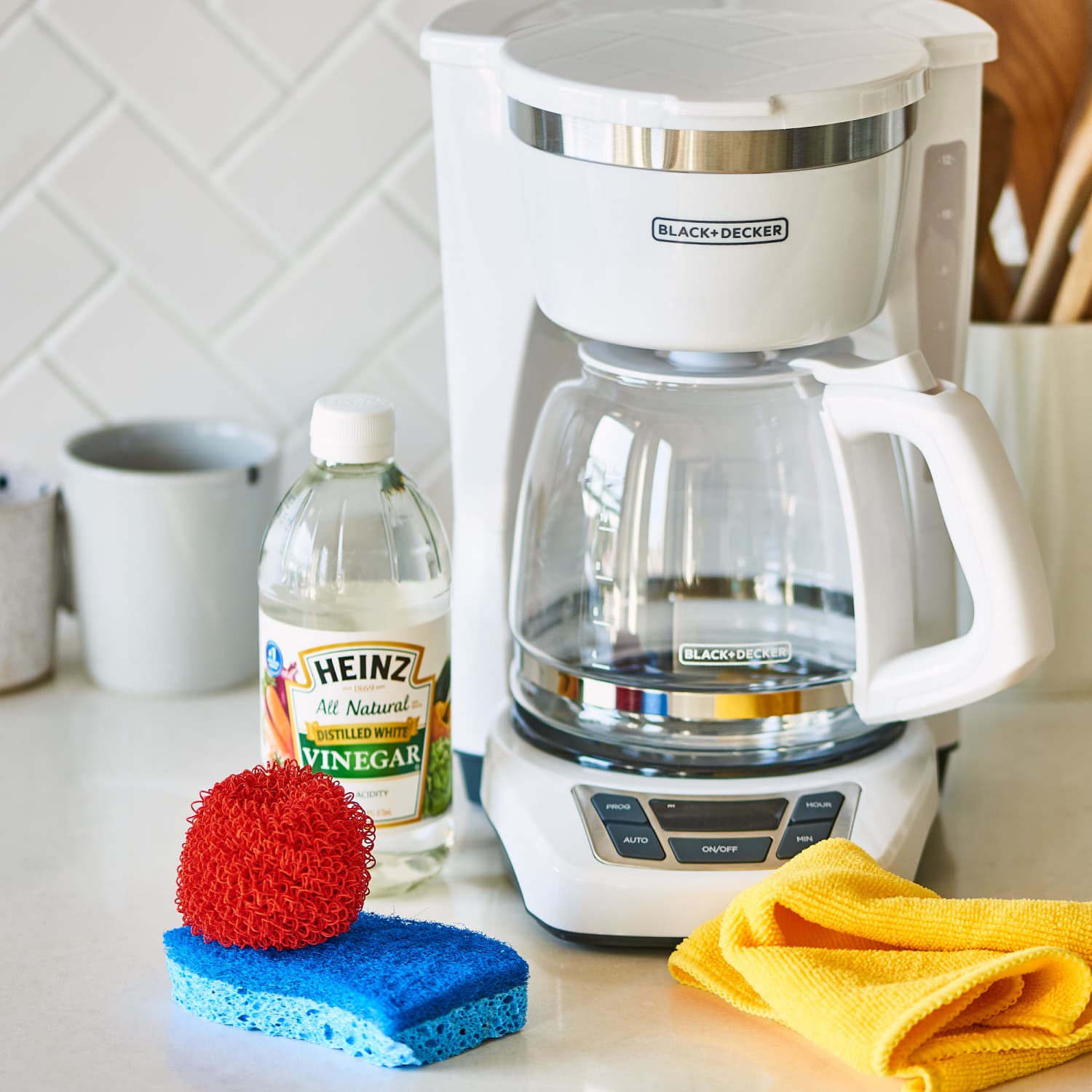
Step-by-step: cleaning coffee maker with vinegar
Use these steps for most drip coffee makers. Check your manual before you start.
- Empty and clean the carafe and basket. Rinse out old grounds.
- Mix equal parts white vinegar and water. For heavy buildup, use more vinegar.
- Fill the reservoir with the mix. Place a clean filter in the basket.
- Start a brew cycle. Stop it halfway. Let it sit for 30 minutes to 1 hour.
- Resume the cycle to finish. Discard the filter and pour out the solution.
- Run 2 to 3 full cycles with fresh water. This removes vinegar taste and smell.
- Wipe the exterior. Wash the carafe and basket with mild soap.
Tips I use at home:
- Use a paper filter to catch loosened scale flakes.
- If you still smell vinegar, add one more rinse. A pinch of baking soda in the carafe, then a water rinse, also helps.
- Cleaning coffee maker with vinegar works best when done before buildup gets thick.

Device-specific notes and variations
Cleaning coffee maker with vinegar is common for drip machines. Other brewers need care.
Single-serve machines
- Remove the pod holder. Wash and clear the exit needle with a soft brush.
- Run a 1:1 vinegar mix through the reservoir.
- Use the largest cup size. Cycle until the tank is empty.
- Rinse with 2 to 3 tanks of fresh water.
Espresso and aluminum boilers
- Many espresso makers do not allow vinegar. Acid can pit aluminum and harm seals.
- Use a branded descaler or citric acid per the manual instead.
Thermal carafes and kettles
- Fill with a 1:1 vinegar mix.
- Let sit 30 minutes. Swirl, then rinse well.
- Do not soak lids with rubber for long periods.
When in doubt, check your manual. If the brand warns against vinegar, do not use it. Use a recommended descaler instead.
How often to descale and signs it is time
How often depends on water hardness and use.
- Soft water: every 2 to 3 months
- Medium hardness: every 1 to 2 months
- Hard water: every 2 to 4 weeks
Clear signs you need cleaning coffee maker with vinegar:
- Brew takes longer than normal
- Coffee tastes sour, bitter, or weak
- Visible white scale in the tank or carafe
- Loud pump noise or sputters
- A musty smell from the brewer
If you see any sign, do a vinegar cycle and then rinse well.

Safety tips and what to avoid
Stay safe and protect your machine.
- Never mix vinegar with bleach or other cleaners. Toxic gas can form.
- Remove paper filters before rinse cycles to avoid paper taste.
- Do not soak gaskets or seals in strong vinegar for long.
- Avoid abrasive scrub pads on the warming plate.
- If your maker has a charcoal water filter, remove it first. Replace it after you finish.
Cleaning coffee maker with vinegar is safe for most drip machines. If your brand says no, use a descaler approved for that model.
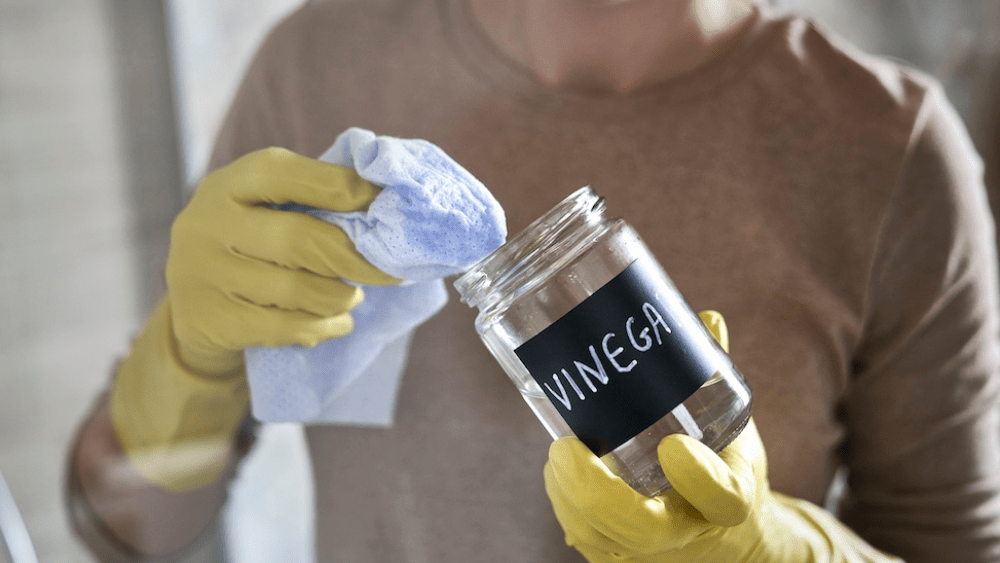
Alternatives to vinegar and when to use them
Cleaning coffee maker with vinegar is not the only way.
- Citric acid: Food-safe and gentle. Mix 1 tablespoon per quart of warm water. Good for machines that ban vinegar.
- Branded descaler: Fast and effective. Often needed for espresso and super-automatic units.
- Baking soda: Good for deodorizing the carafe and lid. Not a descaler by itself.
Use these when vinegar odor bothers you, your manual warns against vinegar, or you want a faster rinse.

Troubleshooting after cleaning
If coffee tastes like vinegar:
- Run more water-only cycles. Two more is often enough.
- Brew a throwaway cycle with plain water and a lemon peel in the carafe. Then rinse.
If the pump sputters:
- Scale may be thick. Repeat cleaning coffee maker with vinegar.
- Tap the side of the machine gently to free trapped bubbles.
If flow is still slow:
- Check the basket, needle, or spray head for clogs.
- Descale again with a fresh solution or use a branded descaler.
A simple maintenance routine
A clean machine makes better coffee every day. Here is the routine I follow.
Weekly
- Wash carafe, basket, and removable parts with mild soap.
- Wipe the exterior and warming plate.
Monthly
- Do cleaning coffee maker with vinegar or a branded descaler.
- Replace the water filter if your model has one.
Daily
- Empty grounds right after brewing.
- Leave the lid open to dry. This helps prevent mold.
Small habits keep flavor bright and parts healthy.
Frequently Asked Questions
Is cleaning coffee maker with vinegar safe for all machines?
Not for every machine. Many drip makers are fine, but some espresso and aluminum boilers may get damaged. Always check your manual first.
What vinegar-to-water ratio should I use?
A 1:1 mix works for most cases. For heavy scale, increase vinegar. For light maintenance, use 1 part vinegar to 2 parts water.
How do I remove the vinegar smell after cleaning?
Run 2 to 3 fresh water cycles. If needed, add a quick carafe rinse with a pinch of baking soda, then rinse again.
Can I use apple cider vinegar instead of white vinegar?
You can, but it may leave more odor and color. Distilled white vinegar is clear, cheap, and best for descaling.
How long should I let the vinegar sit in the machine?
Pause the cycle halfway and let it sit 30 to 60 minutes. This contact time helps dissolve thick scale.
Will cleaning coffee maker with vinegar void my warranty?
It depends on the brand. Some allow it for drip makers, while others require their own descaler. Read the warranty terms.
What if I have very hard water?
Descale more often and consider a water filter or bottled water. This reduces scale and keeps flavor stable.
Conclusion
Clean gear makes great coffee. With cleaning coffee maker with vinegar, you can cut scale, clear odors, and bring back bold flavor in under an hour. Follow the steps, rinse well, and set a simple schedule. Your brewer will last longer, and your cup will taste fresher.
Ready to take action? Do a quick cleaning coffee maker with vinegar cycle today, then set a reminder for next month. If you found this helpful, subscribe for more home coffee tips or share your own results in the comments.