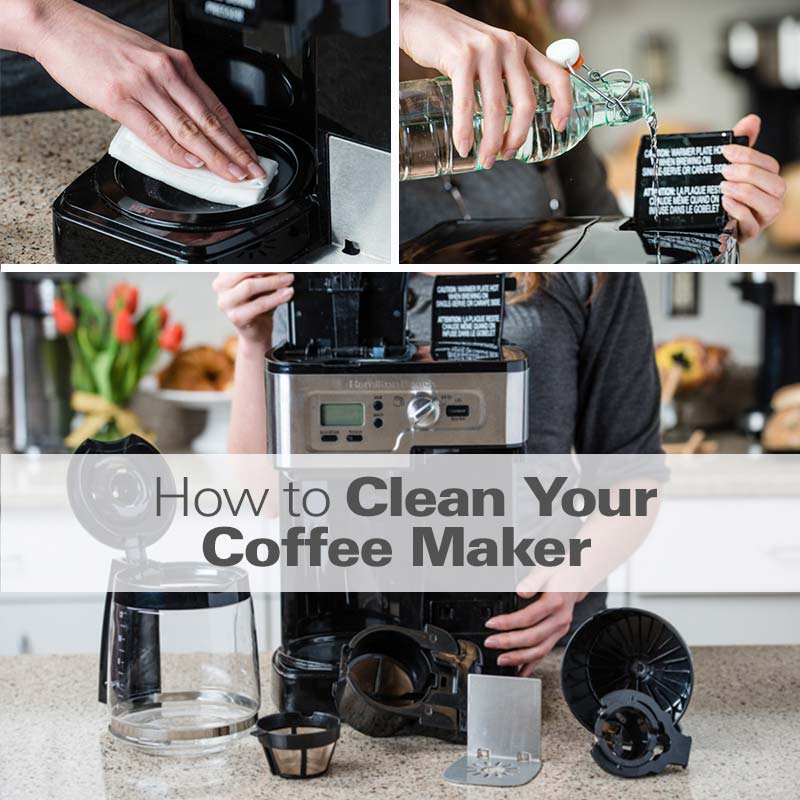
Fill with equal parts white vinegar and water, run a brew, then rinse well.
You want a fresh cup. You also want a safe machine that lasts. I have cleaned hundreds of brewers in homes, cafes, and test labs. In this guide, I show how to clean a coffee maker the right way. You will learn the steps I use, why they work, and how to avoid damage. Stick with me, and your next cup will taste bright and clean.
Why cleaning your coffee maker matters
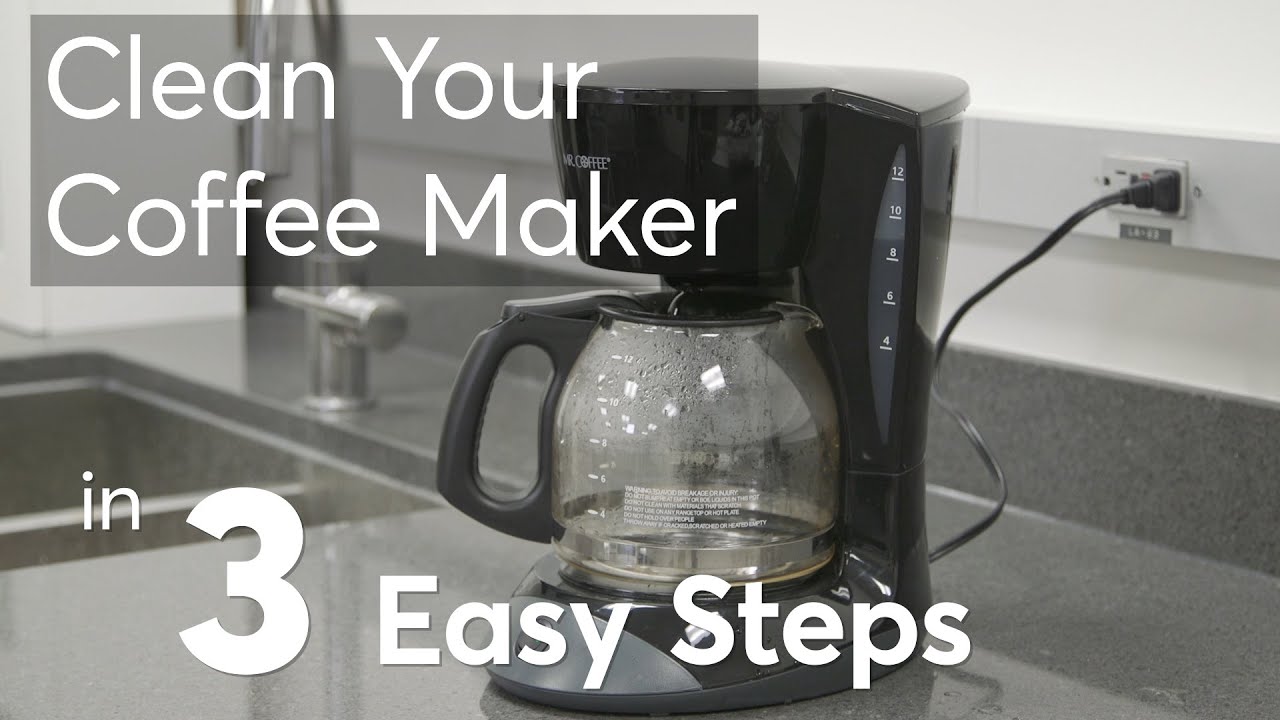
A coffee maker is warm and wet inside. That space can trap oils, fine grounds, and minerals. Over time, the build-up dulls flavor and slows the brew.
Clean parts brew at the right speed and heat. Descaling removes limescale so water flows well. A clean machine lasts longer and uses less power. It also lowers the risk of mold and bad smells.
From years of service calls, I see the same signs. Sour or bitter coffee. Cloudy carafes. White crust in the tank. If that sounds familiar, it is time to learn how to clean a coffee maker with a plan.
What you need: tools and safe cleaners
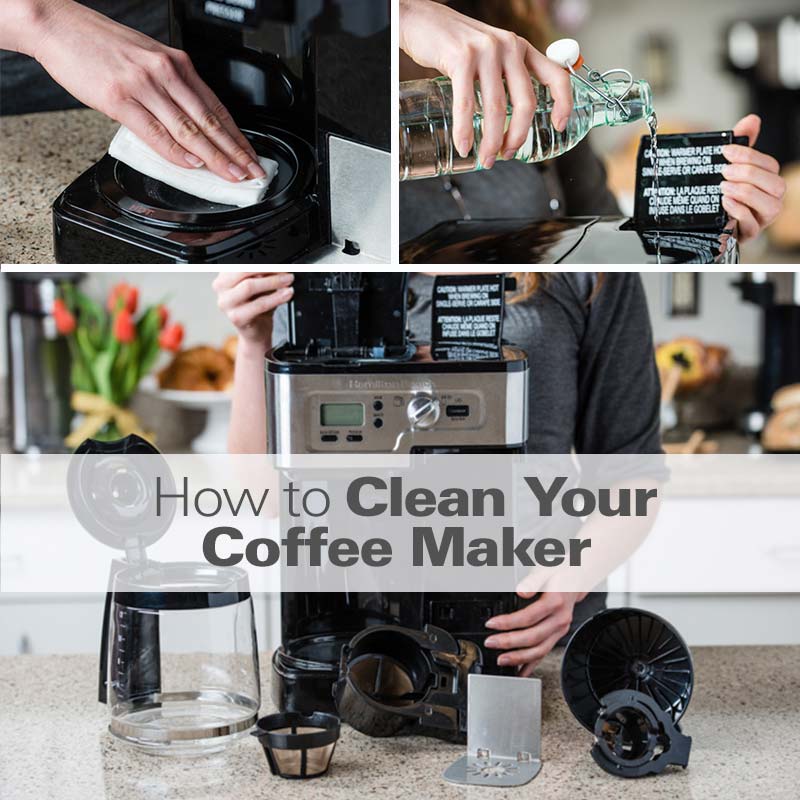
Use simple, safe tools. Most you already have.
- White vinegar for general descaling and odor removal
- Commercial descaling solution for heavy mineral build-up
- Citric acid powder as a gentle, low-odor descaler
- Mild dish soap for daily washing
- Soft bottle brush and small detail brush for the basket and spout
- Non-scratch sponge and microfiber cloth for wipe downs
- Paper filters to catch loosened debris during flushes
- Clean water, ideally filtered or low in minerals
- Your machine manual to check brand-specific steps
Tip from the field: I keep a small toothbrush just for the brew basket lip and the carafe spout. It saves time and reaches hidden grime.

Step-by-step: how to clean a coffee maker (drip machines)
Do these three levels of care. It is simple and fast once you have a routine.
Daily quick clean
- Discard grounds and the paper filter right after brewing.
- Wash the carafe and basket in warm, soapy water. Rinse and dry.
- Wipe the hot plate and exterior with a damp cloth.
Weekly care
- Remove the showerhead or spray disc if it comes off. Rinse and brush.
- Rinse the water tank. Wipe the lid, rim, and any gaskets.
- Run a plain hot water brew cycle to flush oils.
Monthly deep clean
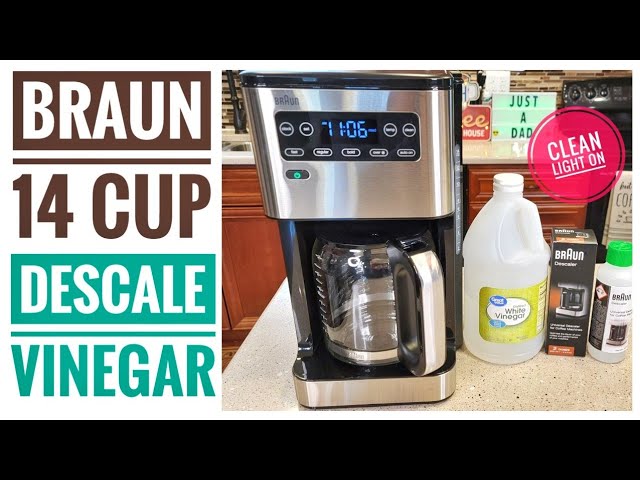
- Fill the tank with a 1 to 1 mix of white vinegar and water.
- Place a paper filter in the basket. Start a brew cycle.
- Halfway through, pause the brew for 15 minutes. This soak helps break scale.
- Finish the cycle. Discard the filter and liquid.
- Run two to three full tanks of plain water to rinse. Keep going until the vinegar smell is gone.
Real-world note: If your coffee tastes off after the rinse, run one more water cycle. Some tanks hold more liquid than the brew size. This extra flush helps.
This is the core of how to clean a coffee maker. It keeps flavor pure and flow smooth.

Deep descaling: remove limescale the right way
Mineral build-up affects heat and flow. That means weak extractions and slow drips. Here is how to descale with three safe options.
Vinegar method
- Mix 1 part white vinegar with 1 part water for heavy scale. Use 1 part vinegar to 2 parts water for light scale.
- Run a full brew. Pause halfway for a 15-minute soak. Finish the brew.
- Rinse with two to three full tanks of plain water.
Citric acid method
- Dissolve 1 to 2 tablespoons of citric acid in a full tank of warm water.
- Run a full brew with a 10-minute pause in the middle.
- Rinse with two to three tanks of plain water.
Commercial descaler method
- Follow the product label for mix and contact time.
- Run the brew with any suggested pauses.
- Rinse as directed, often two full tanks.
Carafe stain fix
- For glass carafes, add warm water, a spoon of baking soda, and a bit of dish soap. Swirl and brush. Rinse well.
- For stainless carafes, use a mix of warm water and a teaspoon of oxygen cleaner. Soak 15 minutes. Rinse well.
Important notes
- Do not use bleach in or through the machine.
- Do not mix vinegar with any chlorine cleaner.
- Check your manual. Some brands suggest only specific descalers.
This is the deep part of how to clean a coffee maker. It restores heat and speed so your brew tastes right.

How to clean a coffee maker: single-serve, French press, and espresso
Single-serve brewers (Keurig-style)
- Remove the pod holder and drip tray. Wash with warm, soapy water.
- Use a small brush to clean the exit needle. Many brands include a tool.
- Fill the tank with a vinegar mix or a descaler. Run several brew cycles without a pod. Pause for 10 to 15 minutes as needed.
- Rinse with two to three tanks of plain water.
Nespresso-style machines
- Use the brand’s descaling kit or citric acid mix per the manual.
- Wipe the capsule chamber. Empty and wash the drip tray and used pod bin.
- Rinse by running water cycles.
French press
- Disassemble the plunger and screens.
- Wash all parts with warm, soapy water. Use baking soda for old smells.
- Rinse and let all parts air dry before reassembly.
Espresso machines (home models)
- Backflush with espresso cleaner if your machine has a three-way valve.
- Descale the boiler with a safe descaler if your manual allows it.
- Purge and wipe the steam wand after each use. Soak the tip in warm water if milk dries on it.
No matter the style, the heart of how to clean a coffee maker stays the same. Remove oils, flush minerals, and dry parts to stop mold.
Maintenance schedule and water tips
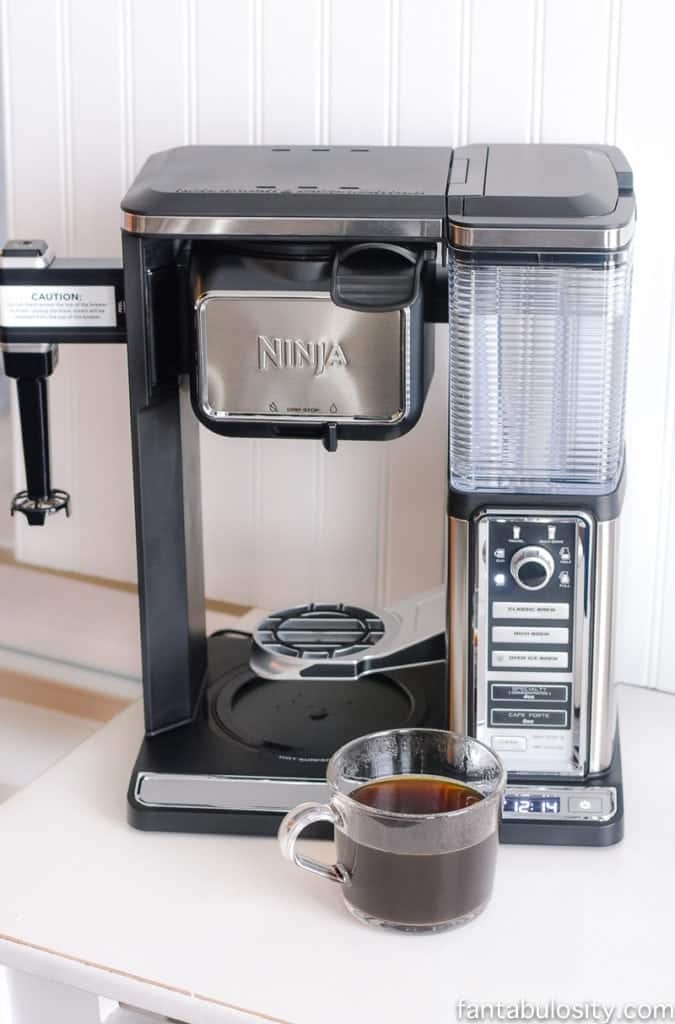
How often should you clean? It depends on how much you brew and your water.
Suggested schedule
- Daily: Empty grounds, wash carafe and basket, wipe surfaces.
- Weekly: Rinse tank and showerhead, run a water-only brew.
- Monthly: Descale with vinegar, citric acid, or a descaler.
- Every 3 to 6 months: Replace water filters if your machine has them.
Water matters
- Hard water causes scale fast. If you see white crust on taps, use filtered water.
- A simple water filter can cut scale and boost taste.
- If you move to a new area, reassess. Water changes, and so should your plan.
This steady plan is the most reliable path for how to clean a coffee maker with less work over time.
Common mistakes to avoid
I see these errors a lot. They cost time and money.
- Skipping the rinse after vinegar or descaler. This leaves odors and odd flavors.
- Using bleach in the machine. It can ruin parts and leave unsafe residue.
- Scrubbing with steel wool. It scratches and traps oils.
- Leaving the lid closed while wet. This traps moisture and leads to mold.
- Ignoring gaskets and seams. Oils hide there and go rancid.
One more tip: Always dry the carafe and basket before you close the lid. Air and light help stop odor.

Troubleshooting bad taste, odor, and mold
Bad or sour taste
- Replace old beans and grind fresh.
- Deep clean the machine and carafe. Coffee oils turn rancid and taste bitter.
- Descale if the brew is slow or the temperature feels low.
Plastic smell
- Run two vinegar cycles and three water cycles in a new machine.
- Leave the reservoir open to air out between uses.
Visible mold or slime
- Disassemble what you can. Wash with hot, soapy water and a brush.
- Descale and then run extra rinse cycles. Let parts dry with lids open.
Cloudy carafe
- Use warm water with baking soda and a soft brush.
- Rinse and let it air dry in bright light.
If issues return fast, check your water and your cleaning frequency. The routine in this guide on how to clean a coffee maker will keep problems away.

Frequently Asked Questions of how to clean a coffee maker
How often should I descale my coffee maker?
Descale once a month if you brew daily or have hard water. Every two to three months may work if you use filtered water and brew less.
Can I clean a coffee maker with vinegar?
Yes. A 1 to 1 mix of white vinegar and water works well. Rinse with two to three tanks of plain water to remove the smell.
Is baking soda safe for cleaning the carafe?
Yes, for the carafe and outside parts. Do not run baking soda through the machine. It can foam and leave residue.
What is the best descaler if vinegar smell lingers?
Use a commercial descaler or citric acid. They have less odor and can work faster on heavy scale.
How do I clean a Keurig needle safely?
Unplug the machine. Remove the pod holder and use the brand’s needle tool or a soft brush. Avoid sharp objects that can bend the needle.
Can I put coffee maker parts in the dishwasher?
Many baskets and carafes are top-rack safe. Check your manual to be sure, and avoid high heat that can warp plastic.
Does filtered water mean I never need to descale?
No. It slows scale but does not stop it. You still need to descale, just less often.
Why does my coffee taste weak even after cleaning?
Check grind size and dose. Also make sure water is hot enough; heavy scale can lower temperature, so descale if needed.
Is lemon juice good for descaling?
It works, but can leave a strong scent. Citric acid gives the same effect with less odor.
How long should I pause during a vinegar cycle?
Pause for 10 to 15 minutes mid-cycle. This contact time helps break up mineral deposits.
Conclusion
A clean brewer makes better coffee, runs faster, and lasts longer. The steps are simple. Wash parts daily. Rinse the tank weekly. Descale monthly with vinegar, citric acid, or a descaler. Dry parts well and keep lids open.
Start today with one deep clean. Then follow the routine for the next month. Your coffee will taste brighter, and your machine will thank you. If this guide on how to clean a coffee maker helped, share it, subscribe for more brew tips, or leave a question and I will help you dial it in.