
Mix flour, water, and oil; rest well, fill or layer, then cook on a hot tawa.
I grew up around aunties who could stretch dough like silk. If you want to learn how to make Trinidadian roti with real island feel, you are in the right place. I will show you how to make trinidadian roti with clear steps, home-tested tips, and fixes that work. Stay with me and you will feel ready to cook, even on your first try.

What Makes Trinidadian Roti Unique
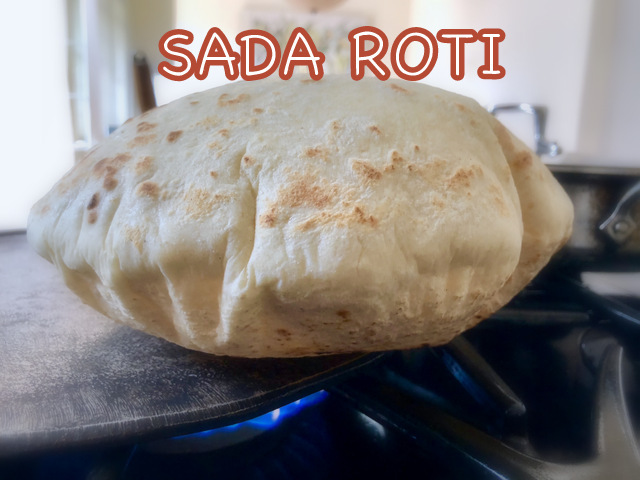
Trinidadian roti is tender, thin, and full of flavor. It comes in a few styles. Dhalpuri has a split pea filling. Paratha, also called buss up shut, is soft and flaky. Sada roti is a plain, quick bread.
The dough is simple. It is flour, salt, baking powder, fat, and water. The skill is in how you knead, rest, roll, and cook. That is why learning how to make trinidadian roti is about feel, not only a recipe.
My best tip from years of practice is this. Rest your dough. A good rest makes the dough gentle and easy to stretch. You will taste the change.

Ingredients and Tools
You can make great roti with a few pantry items and simple tools.
Key ingredients
- All-purpose flour or roti flour blend
- Baking powder for lift and softness
- Salt to balance flavor
- Neutral oil or ghee for tenderness
- Warm water to hydrate the dough
- Optional: butter or ghee for buss up shut layers
- For dhalpuri filling: channa dal (split yellow peas), garlic, roasted cumin (geera), pepper, and salt
- Tawa or heavy cast-iron skillet
- Rolling pin (belna) and board
- Pastry brush or small spoon for oil
- Clean kitchen towel for covering dough
- Tongs or a flat spatula
- For buss up shut: two wooden spatulas or a clean cloth to “buss” the roti
Before we start, measure by weight if you can. It helps repeat results when you learn how to make trinidadian roti at home.

Step-by-Step: Dhalpuri Roti (Filled Split Pea Roti)
This is the iconic street roti. It is thin, soft, and packed with spiced split peas.
Yield
- 6 large rotis
Time
- 30 minutes active
- 45–60 minutes resting and cooking
Dough ingredients
- 500 g flour (about 4 cups)
- 2 teaspoons baking powder
- 1 teaspoon fine salt
- 2 tablespoons oil or melted ghee
- 300–340 g warm water (about 1¼–1½ cups), as needed
Filling ingredients
- 250 g channa dal (1¼ cups), sorted and rinsed
- 2–3 cloves garlic, minced
- 1½ teaspoons roasted ground cumin (geera)
- ½ teaspoon black pepper
- 1 teaspoon salt, or to taste
- Optional: 1 small hot pepper, minced very fine
Make the filling
- Boil channa dal in plenty of water until just tender, not mushy. You should be able to crush a grain between fingers. Drain very well and spread to dry.
- Pulse the dal in a food processor to a fine, fluffy crumb. Add garlic, cumin, pepper, and salt. Taste and adjust. The mix should be dry, light, and well seasoned.
Make the dough
- Mix flour, baking powder, and salt. Add oil. Rub in to coat the flour.
- Add warm water a little at a time until a soft dough forms. It should be smooth, not sticky.
- Knead for 3–5 minutes. Cover and rest 20 minutes.
Fill and shape
- Divide dough into 6 balls. Keep covered.
- Flatten one ball. Dust with flour. Roll to a 6–7 inch round.
- Add 3–4 tablespoons filling in the center. Gather edges like a money pouch. Pinch closed. Rest 5 minutes.
- Gently flatten. Roll into a thin, even circle, 10–11 inches. If filling peeks out, dust and patch.
Cook
- Heat a tawa over medium to medium-high heat until hot.
- Place the roti on the tawa. Cook 30–45 seconds. Flip.
- Brush with a few drops of oil. Cook 30 seconds. Flip again. Press edges with a spatula to help puff.
- When light brown spots form and the roti looks dry but soft, remove and wrap in a towel.
Pro tips
- The filling must be dry. Wet filling will tear the roti.
- If the roti resists rolling, rest it. Resting helps gluten relax.
- Practice steady, light rolling. Think of moving air, not forcing dough.
This method captures the heart of how to make trinidadian roti like a pro.
Step-by-Step: Paratha Roti (Buss Up Shut)
Paratha is soft, flaky, and slightly rich. It gets “bussed” or shredded to look like a torn shirt.
Yield
- 4–6 large rotis
Dough ingredients
- 500 g flour (about 4 cups)
- 2 teaspoons baking powder
- 1 teaspoon salt
- 2 tablespoons oil
- 300–330 g warm water (about 1¼–1⅓ cups)
For layering
- 3 tablespoons softened butter or ghee mixed with 1 tablespoon oil
Make the dough
- Mix dry items. Add oil, then warm water to form a soft dough.
- Knead 4 minutes. Rest 20 minutes.
Layer and coil
- Divide into 4–6 balls. Roll each to a 9 inch circle.
- Spread a thin layer of butter-oil mix. Sprinkle a little flour.
- Cut one slit from center to edge. Roll into a cone. Tuck the tip under. Rest 15 minutes.
Roll and cook
- Flatten a cone. Roll into a 10–11 inch circle.
- Cook on a hot tawa. Flip every 30–40 seconds. Brush with oil as needed.
- When fully cooked with light brown spots, remove to a bowl.
- Using two wooden spatulas or a clean towel, clap and “buss” the roti to separate layers.
Warm, shredded paratha is a joy. This is a key part of how to make trinidadian roti that melts in your mouth.
Quick Sada Roti (Weeknight Version)
Sada roti is a plain pan bread. It is perfect for breakfast or curry scoops.
Ingredients
- 300 g flour (about 2½ cups)
- 1 teaspoon baking powder
- ½ teaspoon salt
- 1 tablespoon oil
- 180–200 g warm water (about ¾–⅞ cup)
Steps
- Mix dry items. Add oil. Add warm water to make a soft dough.
- Knead 3 minutes. Rest 10–15 minutes.
- Divide into 4 balls. Roll to 7–8 inches.
- Cook on a hot tawa. Flip when bubbles form. Press edges to help puff.
This quick path is great when you want how to make trinidadian roti fast on a busy night.

Technique Deep Dive: Knead, Rest, Roll, Cook
Knead
- Aim for smooth, soft dough. It should spring back, but not fight you.
Rest
- Resting hydrates flour and relaxes gluten. Taste and texture both improve.
Roll
- Dust lightly. Use even strokes from center out. Rotate the dough often.
Cook
- Medium to medium-high heat works best. Too hot burns. Too low dries out the roti.
- Light oil boosts tenderness. Do not soak the roti.
These steps define how to make trinidadian roti with repeatable results.

Troubleshooting and Common Mistakes
Tough roti
- Cause: Not enough rest, too little water, or high heat. Fix: Increase rest time and water by a spoon or two.
Tearing while rolling
- Cause: Filling too wet or dough too tight. Fix: Dry the filling. Rest the dough longer.
Dry, crackly roti
- Cause: Overcooked roti or low hydration. Fix: Cook less time. Raise the water a bit.
No puff
- Cause: Heat too low or uneven rolling. Fix: Preheat longer. Roll more even. Press edges gently as it cooks.
Sticky dough
- Cause: Too much water. Fix: Dust with flour as you knead. Rest the dough.
I learned these the hard way. When I teach how to make trinidadian roti, I stress rest times and heat control. They change everything.

Serving Ideas, Fillings, and Pairings
Classic fillings
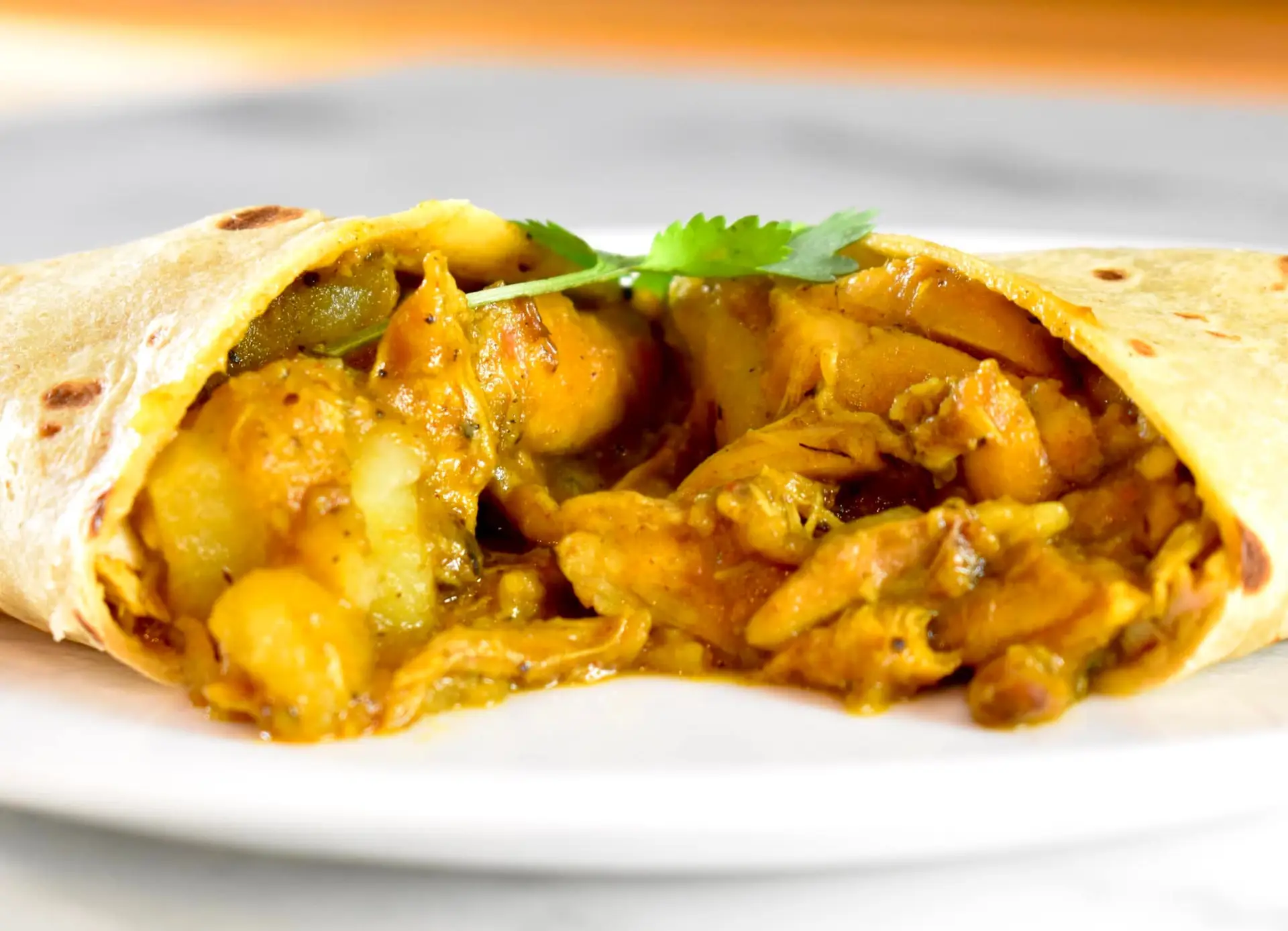
- Curry channa and aloo with a hint of geera
- Curry goat, chicken, or duck for a feast
- Pumpkin, bodi, or bhaji for a light plate
Condiments
- Mango kuchela
- Tamarind sauce
- Pepper sauce for heat
How to serve
- Keep rotis wrapped so they stay soft.
- For dhalpuri, roll with curry inside for a handy meal.
- For paratha, serve torn with bowls of curry to dip.
When friends ask how to make trinidadian roti for a crowd, I suggest mixing styles. Offer dhalpuri and paratha so everyone smiles.

Make-Ahead, Storage, and Reheating
Make-ahead
- Dough can rest in the fridge for up to 24 hours.
- Dhalpuri filling keeps 3 days, sealed and chilled.
Storage
- Cooked roti keeps 2 days at room temp, wrapped. Or freeze up to 1 month with parchment between each roti.
Reheating
- Warm on a dry tawa or skillet over medium heat. Wrap in a towel to steam-soften.
- For frozen roti, thaw wrapped on the counter, then reheat.
These habits help when you plan how to make trinidadian roti for the week.
Nutrition Notes and Smart Swaps
Health notes
- Roti is lower in fat when cooked with little oil.
- Dhalpuri adds plant protein and fiber from channa dal.
Swaps
- Use half whole-wheat flour for more fiber. Add a splash more water.
- Try avocado oil for a neutral, heart-friendly fat.
- Dairy-free? Use oil, not butter.
Balance is key. When folks search how to make trinidadian roti that fits their diet, I suggest small swaps, not big changes.
Frequently Asked Questions of how to make trinidadian roti
What flour works best for Trinidadian roti?
All-purpose flour works well for most homes. A mix with some whole-wheat flour adds flavor but needs a bit more water.
Is a tawa required to make roti?
A tawa is ideal, but a heavy cast-iron skillet works. Preheat well to avoid sticking and to get good puff.
Can I make roti gluten-free?
You can try a gluten-free blend with xanthan gum. Expect less stretch and a different bite.
How do I stop dhalpuri from tearing?
Keep the filling dry and fine. Rest the dough and roll with light, even pressure.
How to reheat roti without drying it out?
Warm it on a low skillet and cover with a towel. A few drops of water under the towel add gentle steam.
Conclusion
You now know how to make trinidadian roti with clear steps and calm hands. Start with a soft dough, rest well, roll even, and cook on steady heat. Choose dhalpuri for a filled treat or paratha for soft flakes.
Make one batch this week. Note how the dough feels and how it cooks on your pan. Then tweak water, rest time, and heat the next time. Share your results, ask questions, and subscribe for more island-ready guides.