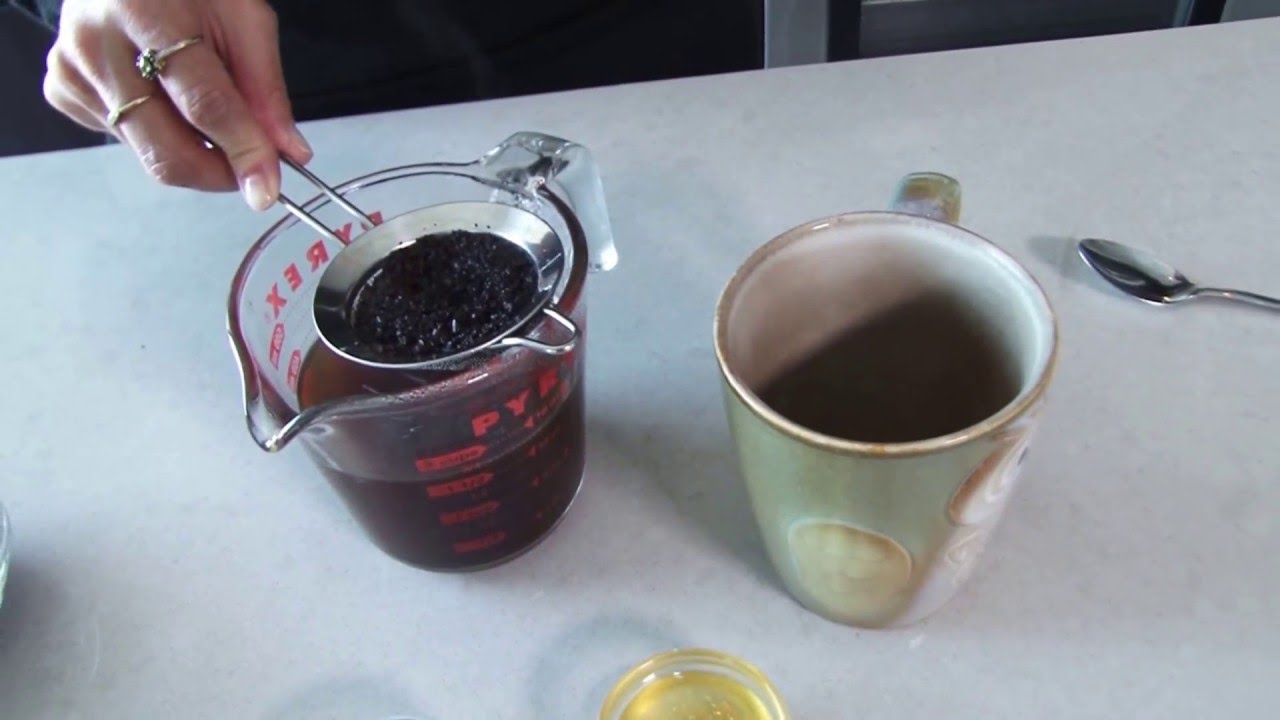
Use hot water and ground coffee with simple tools: pot, jar, or strainer.
You can master how to brew coffee without a coffee maker with a few tricks, a steady hand, and a sense of taste. I’ve brewed hundreds of cups on the road, at campsites, and in tiny kitchens. In this guide, I’ll show you proven, safe, and tasty methods that work anywhere, so you never miss your morning cup again.
What You Need Before You Start
You do not need fancy gear. You only need heat, fresh coffee, and clean water. Here is a quick checklist.
- Whole beans or ground coffee Fresh beans taste better. A medium grind works for most hacks.
- Water Use clean, filtered water if you can. It improves flavor.
- Heat source Stove, kettle, microwave, or campfire.
- A container Pot, saucepan, mug, bowl, or mason jar.
- A way to strain Fine mesh strainer, paper towel, clean cloth, or even a spoon.
Key ratios and basics:
- Standard ratio Use 1 to 2 tablespoons of coffee for every 6 ounces of water.
- Grind size Finer grind brews faster but can taste bitter. Coarser grind needs more time.
- Water temperature Aim for 195 to 205°F. If you lack a thermometer, boil water, then wait 30 seconds.
If your goal is how to brew coffee without a coffee maker, these basics set you up for success.

Core Methods at a Glance
Each method suits a different mood, place, or taste. Pick what fits your day.
- Cowboy coffee Great for camping. Boil, steep, and settle the grounds.
- Pot or saucepan pour-over Simulate a drip with a strainer or filter hack.
- Cloth or paper towel filter hack A clean cloth or paper towel becomes your filter.
- Mason jar immersion Like a French press, but with a jar.
- Cold brew jar method No heat. Smooth and low acid.
- Microwave brew Fast and simple when you have only a cup.
You will see step-by-step notes next. They show how to brew coffee without a coffee maker in many simple ways.
Step-by-Step Methods You Can Trust
Cowboy Coffee (Stove or Campfire)
- Add water to a pot. Use the ratio above.
- Bring to a gentle boil. Turn off heat.
- Add ground coffee. Stir. Wait 4 minutes.
- Sprinkle a splash of cold water. This helps grounds sink.
- Pour slowly into your mug. Leave the last bit in the pot to avoid sludge.
Tips:
- Use medium to coarse grind for fewer fines.
- If it tastes bitter, use cooler water next time or a shorter steep.
Pros: Strong and bold. No filter needed.
Cons: Some grit. Needs care when pouring.
Saucepan Pour-Over With a Strainer
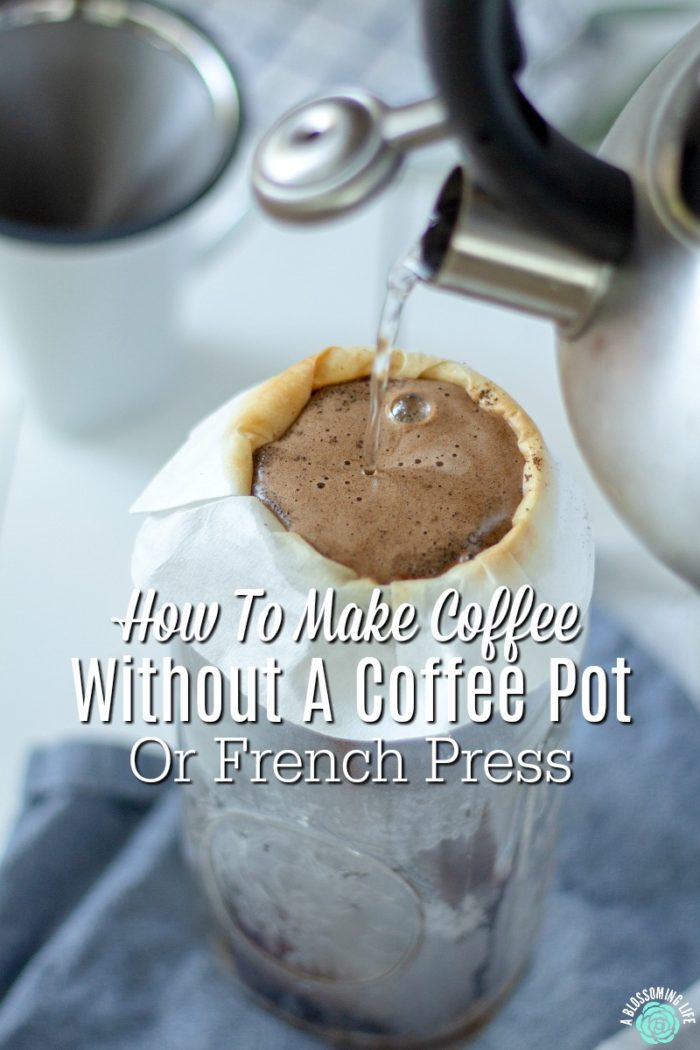
- Boil water in a kettle or pot. Let it rest 30 seconds.
- Place a fine mesh strainer over a mug.
- Add medium grind coffee to the strainer.
- Pour water in slow circles over the bed. Aim for 3 to 4 minutes total.
- Stir once if the bed looks dry.
Tips:
- Do a small bloom pour first to release gas.
- If the drawdown is too fast, use a finer strainer or a cloth.
Pros: Clean cup. Fast.
Cons: Needs a strainer.
Cloth or Paper Towel Filter Hack
- Line a strainer or a funnel with a clean cloth or paper towel.
- Rinse the cloth or paper towel with hot water. This removes dust and warms the mug.
- Add coffee. Use medium grind.
- Pour hot water in small pulses for 3 to 4 minutes.
- Discard the filter carefully.
Tips:
- Use unbleached, food-safe paper towels if possible.
- Cloth gives a richer body. Paper gives a cleaner taste.
Pros: Very clean cup. Easy cleanup.
Cons: Can clog if grind is too fine.
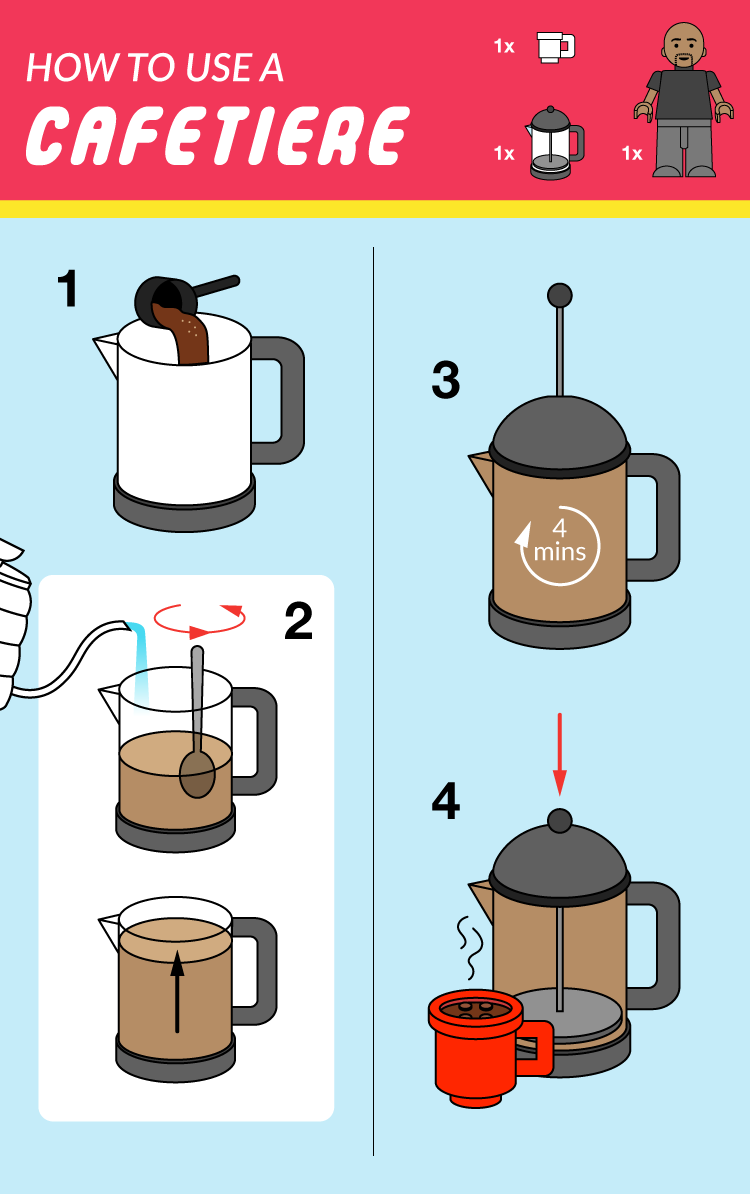
Mason Jar Immersion (DIY French Press)
- Add coffee to a jar. Use medium to coarse grind.
- Pour hot water. Stir well.
- Steep for 4 minutes.
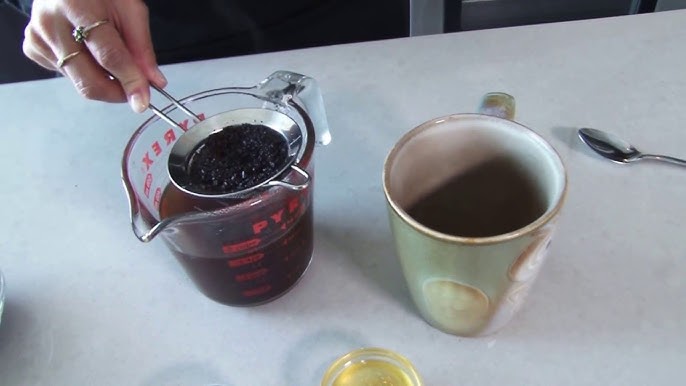
- Place a strainer over your mug and pour slowly. You can also press grounds down with a spoon before pouring.
Tips:
- For a stronger cup, steep up to 6 minutes.
- To reduce grit, let the jar rest 1 extra minute before you pour.
Pros: Balanced flavor. Simple.
Cons: Some fines may slip through.
Cold Brew in a Jar
- Add 1 cup of coarsely ground coffee to 4 cups of cold water.
- Stir. Seal the jar.
- Steep in the fridge for 12 to 18 hours.
- Strain with a cloth or paper filter until the liquid is clear.
- Serve over ice. Dilute to taste.
Tips:
- Cold brew concentrate is strong. Cut with water or milk.
- It stays fresh in the fridge for up to a week.
Pros: Smooth, sweet, low acid.
Cons: Not instant. Needs time.
Microwave Method
- Add water to a mug. Microwave until very hot but not boiling.
- Stir in ground coffee. Use medium to fine.
- Steep for 3 to 4 minutes. Stir once halfway.
- Let grounds settle. Sip from the top or strain with a spoon or cloth.
Tips:
- Heat in short bursts to avoid boil-over.
- If it tastes flat, heat the water a bit more next time.
Pros: Very fast. No pot needed.
Cons: Can be less nuanced.
These steps cover how to brew coffee without a coffee maker in any kitchen, office, or campsite.

Extraction Made Simple
Great coffee is about balance. Three things matter most.
- Grind size Finer grind extracts faster. Coarse grind extracts slower.
- Time Longer contact draws more flavor. Too long pulls bitterness.
- Water heat Hotter water extracts faster. Cooler water may taste weak.
A simple plan:
- If the coffee tastes sour Use a finer grind, hotter water, or longer time.
- If the coffee tastes bitter Use a coarser grind, cooler water, or shorter time.
- If it tastes muddy Strain better or let grounds settle longer.
When learning how to brew coffee without a coffee maker, controlling these knobs gives you repeatable results.
Troubleshooting and Quick Fixes
Common problems happen. Here is how to fix them fast.
- Too weak Increase coffee dose or use a finer grind. Extend steep by 30 to 60 seconds.
- Too bitter Reduce steep time. Use a coarser grind or cooler water.
- Grit in the cup Pour more gently. Add a better strainer or a cloth.
- Paper taste Rinse paper filters with hot water before use.
- No thermometer Boil water, then wait 30 seconds. That puts you near the right range.
These fixes work for any method of how to brew coffee without a coffee maker.

Safety, Sanitation, and Flavor Upgrades
Safety first:
- Handle hot water with care. Use dry towels and stable surfaces.
- Use clean, food-safe cloths or filters. Avoid dyed fabrics.
- Do not microwave sealed jars. They can explode.
Flavor upgrades:
- Add a pinch of salt It can mute bitterness.
- Spice it up A dash of cinnamon or cardamom can lift aroma.
- Sweeten smart Simple syrup blends better than granulated sugar.
- Cooler water, longer time For smoother cups, try slightly cooler water with a longer steep.
Sustainability:
- Use a washable cloth filter to cut waste.
- Compost spent grounds if local rules allow.
Taste tests show that small changes in grind and time beat fancy gear. This holds true when you explore how to brew coffee without a coffee maker.

My Field Notes and Mistakes to Avoid
What worked for me:
- Cloth filters taste best I keep a clean cotton bandana for camp brews.
- Bloom matters Even with a paper towel, a 30-second bloom reduces sour notes.
- Gentle pours win Slow, steady pours keep the bed flat and the taste clean.
Mistakes I made (so you do not have to):
- Overheating water Boiling water poured right away made bitter cups. Waiting 30 seconds helped.
- Grinding too fine It clogged paper towels and turned the brew harsh.
- Rushing the pour Fast pours made weak coffee. Patience fixed it.
These simple lessons sharpen your skills in how to brew coffee without a coffee maker. Practice a few mornings, and you will pour like a pro.
Frequently Asked Questions of how to brew coffee without a coffee maker
Can I use instant coffee instead of grounds?
Yes, but it is not the same. Instant coffee dissolves in hot water, while ground coffee needs extraction and filtering for full flavor.
Which grind is best for these methods?
Use medium for most hot methods and coarse for cold brew. If you get grit, go a bit coarser or improve filtering.
Is a paper towel safe as a filter?
Use a clean, food-safe, unbleached paper towel. Rinse it with hot water first to remove paper taste and dust.
How do I avoid bitterness without gear?
Use water just off the boil and shorten the steep time. A coarser grind and a gentle pour also help.
What is the easiest method for beginners?
The mason jar immersion is simple and forgiving. Steep, wait, then pour through a strainer or cloth.
Can I make strong coffee without a machine?
Yes. Increase the coffee dose, use a finer grind, and extend steep time a bit. Taste as you go.
Does cold brew need special beans?
No. Medium or dark roasts both work. Coarse grind and long steep make it smooth.
Conclusion
You can make a great cup anywhere with fresh coffee, hot water, and a few smart hacks. Pick a method, control grind, time, and heat, and you will nail the flavor you like. The secrets you learned here on how to brew coffee without a coffee maker work in any kitchen or campsite.
Try one method this week. Keep notes on grind, time, and taste. Share your results, subscribe for more brew guides, and drop your questions in the comments.