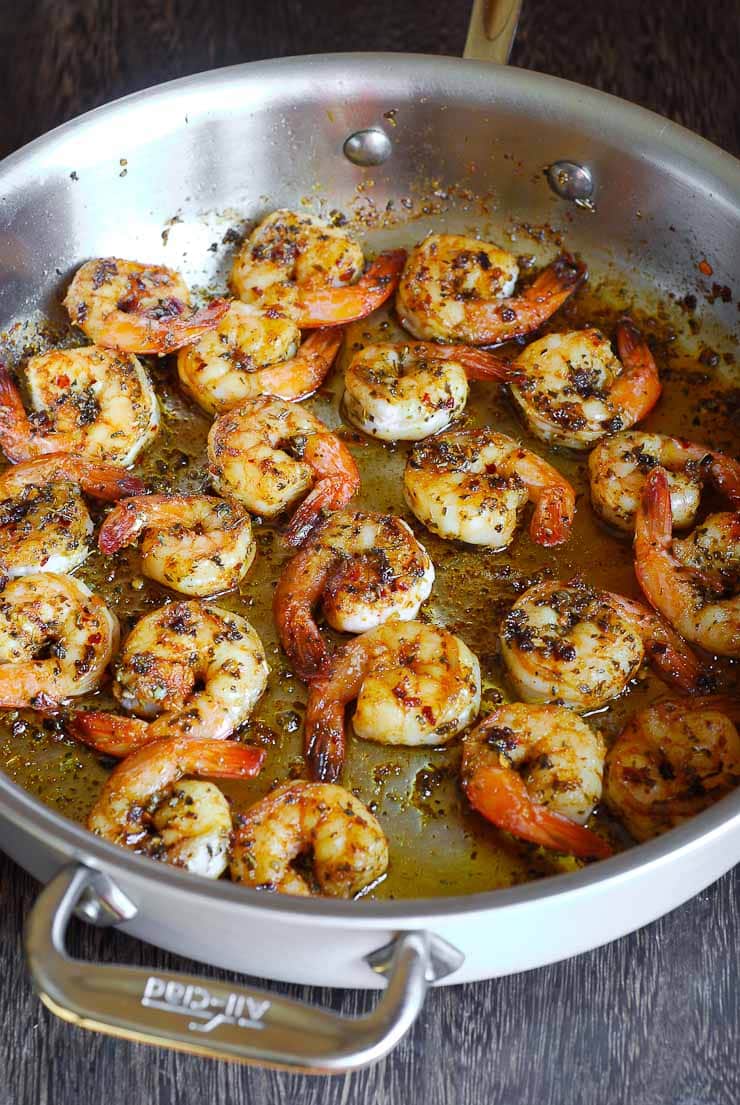
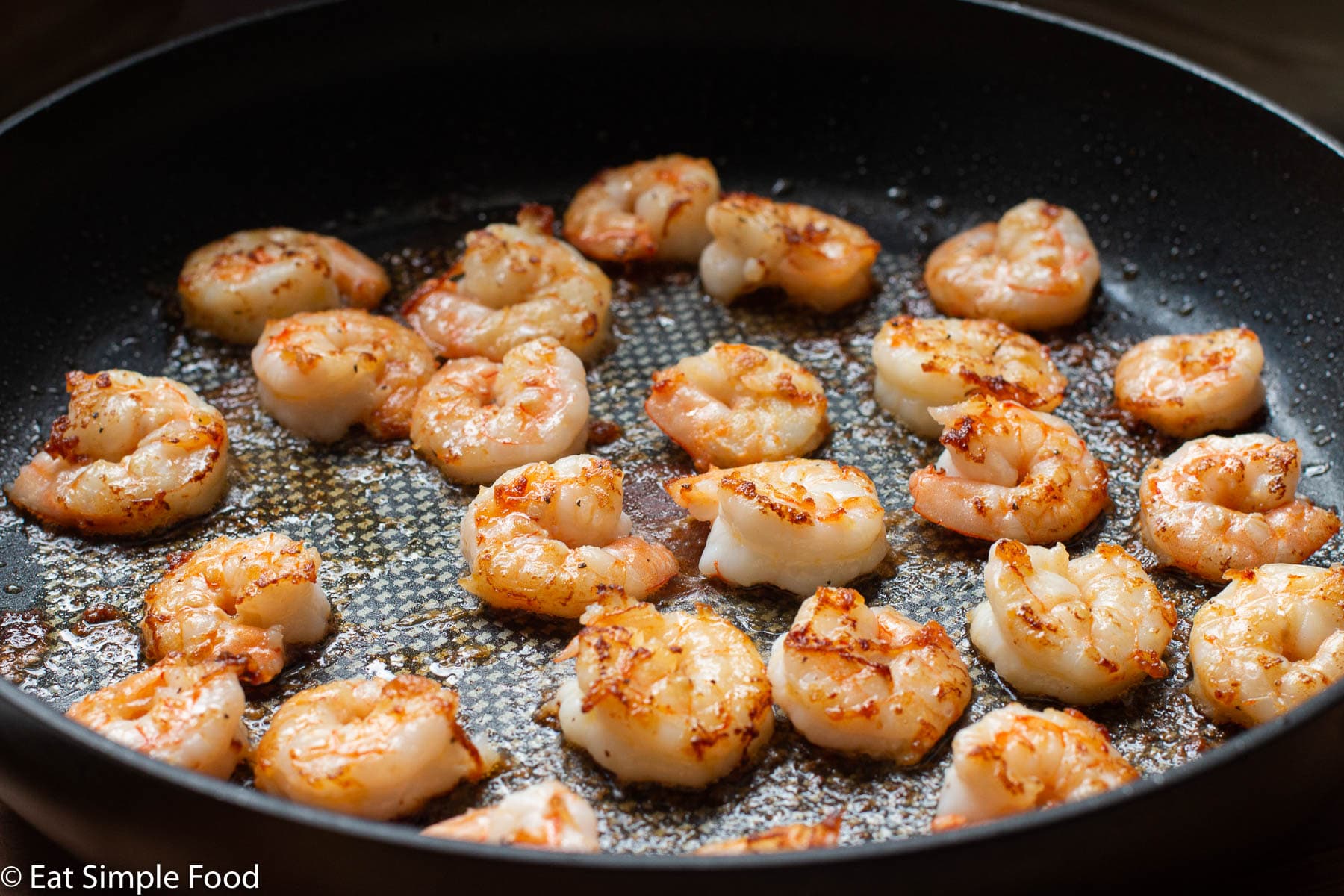
Sear peeled shrimp in a hot pan 2–3 minutes per side until they turn opaque and firm.
I cook shrimp in a frying pan dozens of times a year, and I’ll teach you clear, tested steps to get perfect shrimp every time. This guide explains how to cook shrimp in frying pan with simple prep, timing, seasoning ideas, and mistakes to avoid. You’ll learn pan choice, oil, heat, and quick recipes so your shrimp come out juicy, not rubbery.
Essentials for how to cook shrimp in frying pan
Shrimp are fast-cooking seafood. They need high heat and short time. Overcooking makes them tough. The core idea when you learn how to cook shrimp in frying pan is to get good sear and stop cooking the moment they are opaque.
Key facts to remember:
- Shrimp cook fast: generally 2–3 minutes per side for medium shrimp.
- Look for color change: translucent to opaque with a pink hue.
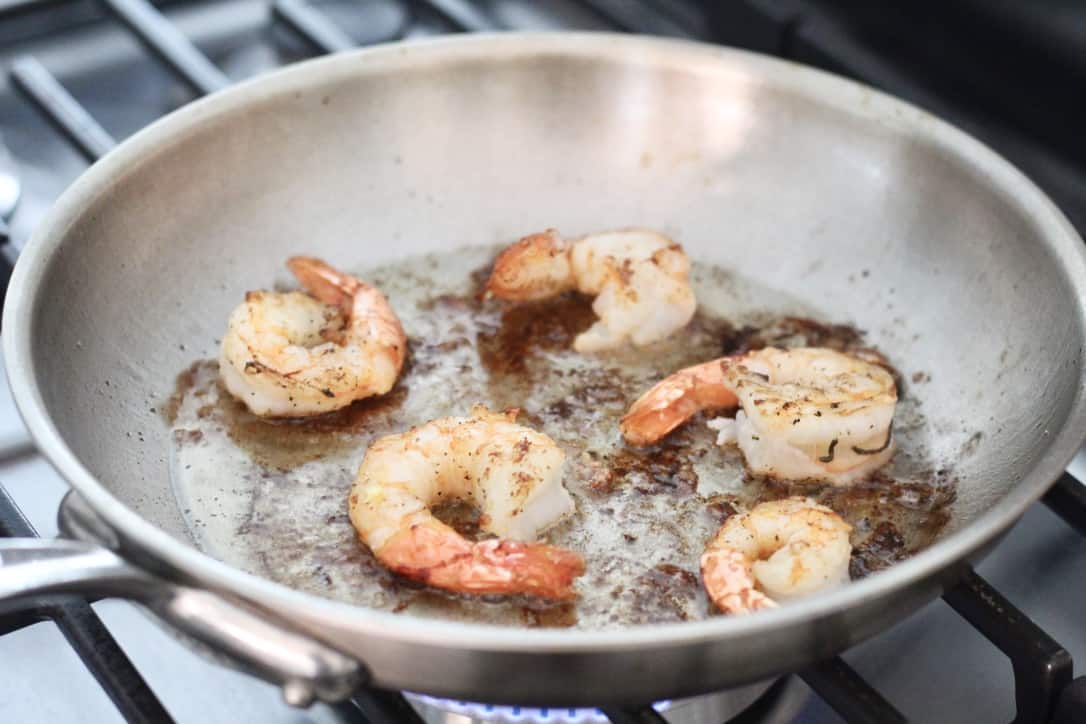
- Don’t crowd the pan; crowding lowers temperature and steams the shrimp.
From experience, a hot pan and dry shrimp are the biggest game-changers. If you follow that rule, most recipes for how to cook shrimp in frying pan will work.

Choosing and prepping shrimp before cooking
Choosing good shrimp matters for how to cook shrimp in frying pan. Fresh or properly thawed frozen shrimp work best.
What to look for when buying:
- Firm texture and mild sea smell.
- Grayish raw color for raw shrimp, not slimy or strong-smelling.
- Size label: cocktail, medium, large, jumbo — affects cook time.
Prep steps:
- Thaw frozen shrimp overnight in fridge or quickly under cold running water.
- Peel and devein if needed. Leave tails on for presentation when desired.
- Pat dry with paper towels. Dry shrimp sear better.
Quick tip from my kitchen: I rinse briefly, then dry them well and refrigerate for 10 minutes before cooking. That extra dryness helps create a better crust when you learn how to cook shrimp in frying pan.
Equipment, pan choice, and oils
The right pan and oil make how to cook shrimp in frying pan predictable.
Pan choices:
- Stainless steel: great sear if preheated and oiled well.
- Cast iron: holds heat and gives excellent browning.
- Nonstick: easiest cleanup, but you may not get as much crust.
Oils and fats:
- Use an oil with a high smoke point: canola, avocado, light olive oil.
- Butter adds flavor but can burn on high heat. Combine oil and butter for flavor and stability.
- Use about 1–2 tablespoons of oil for a dozen medium shrimp in a 10-inch pan.
From my tests, a cast iron pan with a splash of oil and a small knob of butter at the end gives the best balance of crispness and flavor when you cook shrimp in frying pan.

Basic pan-fry method: step-by-step
This step-by-step teaches exactly how to cook shrimp in frying pan for a simple garlic-butter finish.
Steps:
- Dry and season shrimp: pat dry; sprinkle salt, pepper, and a pinch of paprika or garlic powder.
- Heat the pan: medium-high heat for 2 minutes until hot. Add oil and swirl.
- Add shrimp in a single layer: don’t crowd the pan.
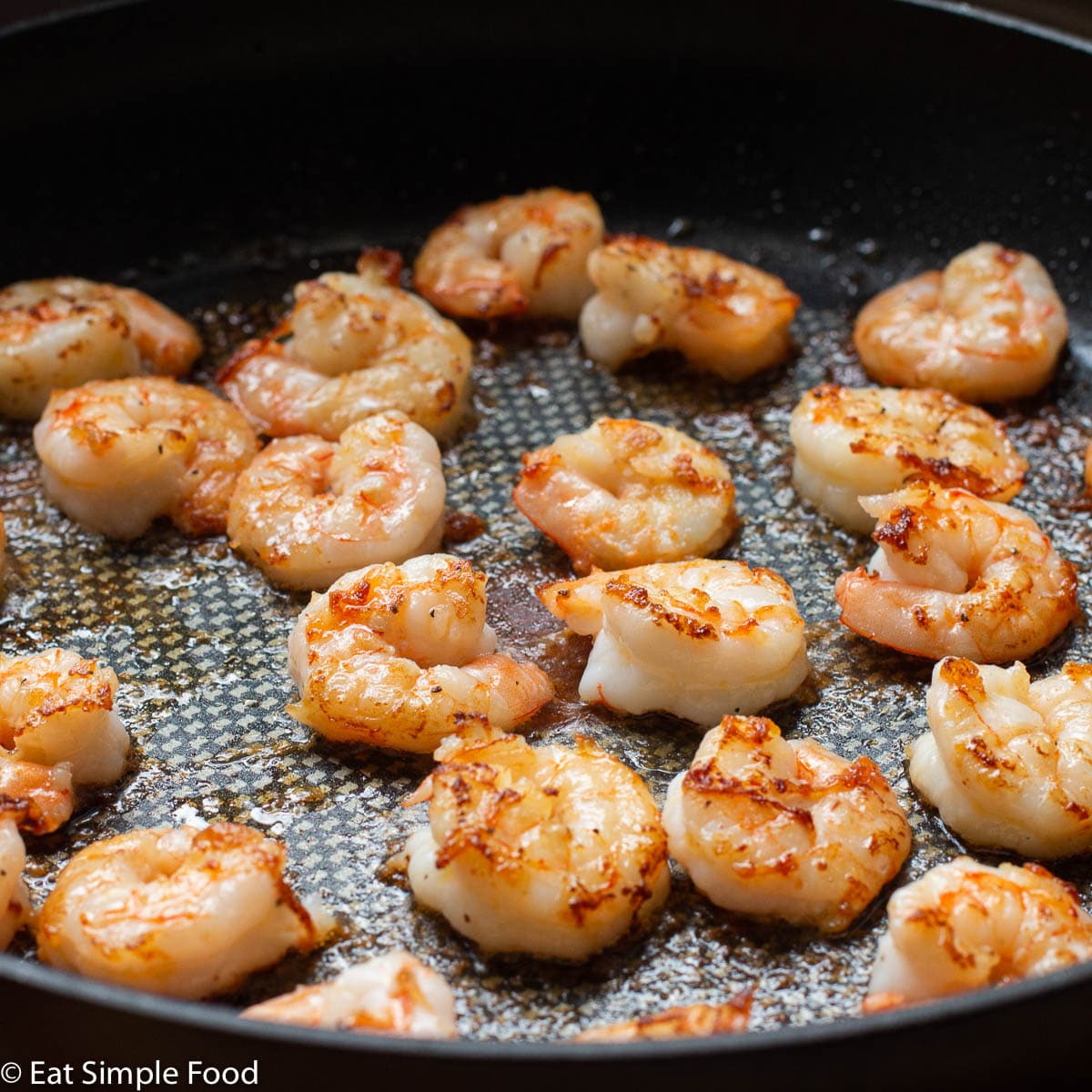
- Sear first side: cook 2–3 minutes (depends on size) until edges turn opaque.
- Flip once: cook another 1–2 minutes until fully opaque and slightly firm.
- Add flavor at the end: toss with butter, garlic, lemon juice, and parsley for 30 seconds off high heat.
- Remove promptly: transfer to a warm plate to stop carryover cooking.
Serve suggestions:
- Toss with pasta and olive oil.
- Top a salad or tacos.
- Serve with rice and veggies.
When you learn how to cook shrimp in frying pan, remember: one flip only and finish with acid (lemon) for brightness.

Flavor variations and quick recipes
Once you know how to cook shrimp in frying pan, you can make many quick meals. These variations are fast and reliable.
Garlic-lemon shrimp:
- Season shrimp with salt and pepper.
- Sear, then finish with minced garlic, lemon juice, and parsley.
Spicy Cajun shrimp:
- Toss shrimp with Cajun seasoning.
- Sear until charred edges form.
- Finish with a squeeze of lime.
Sweet chili glaze:
- Sear shrimp.
- Add a spoon of sweet chili sauce and toss to coat.
Herb and white wine finish:
- Sear shrimp; remove from pan.
- Deglaze with 1/4 cup white wine, reduce slightly, add butter, return shrimp.
I use the garlic-lemon method when I need a weeknight dinner. It’s fast and the lemon keeps flavors bright. These recipes show the flexibility of how to cook shrimp in frying pan.

Timing, doneness, and food safety
Timing controls texture when you cook shrimp in frying pan. Small shrimp need less time; large shrimp need a little more.
Guidelines:
- Small shrimp: about 1–2 minutes per side.
- Medium shrimp: about 2–3 minutes per side.
- Large/jumbo shrimp: about 3–4 minutes per side.
Doneness cues:
- Shrimp turn opaque with firm texture.
- The flesh should spring back when pressed gently.
- Overcooked shrimp curl tightly into a ball and feel rubbery.
Safety note: cook seafood until it reaches an opaque, firm state. If in doubt, slice one open to check. Proper handling and prompt refrigeration also reduce risk.
Common mistakes and fixes when cooking shrimp in a frying pan
Avoid these mistakes to master how to cook shrimp in frying pan.
Crowding the pan
- Problem: Shrimp steam instead of sear.
- Fix: Cook in batches.
Cooking from frozen
- Problem: Uneven cooking.
- Fix: Fully thaw and dry before cooking.
Overcooking
- Problem: Tough texture.
- Fix: Watch closely; remove at opaque and firm.
Too much seasoning or acid too early
- Problem: Acid can toughen protein.
- Fix: Add lemon or vinegar at the end.
Using low heat
- Problem: No sear; soggy shrimp.
- Fix: Use medium-high and preheat pan.
Personal lesson: I once added garlic early and burned it. Now I add garlic in the last 30 seconds. Little shifts like that make big differences when you cook shrimp in frying pan.

Quick questions about how to cook shrimp in frying pan
How long does it take to cook shrimp in a frying pan?
- Generally 2–3 minutes per side for medium shrimp, but size changes time. Watch for an opaque color and firm texture.
Should shrimp be cooked covered or uncovered?
- Cook uncovered to preserve sear and prevent steaming. Cover only if you need to finish thicker pieces gently.
Can I marinate shrimp before pan-frying?
- Yes, short marinades (15–30 minutes) add flavor. Avoid long acid marinades that can make shrimp mushy.
What oil is best for pan-frying shrimp?
- Use a high-smoke-point oil like canola, avocado, or light olive oil. Add some butter at the end for taste.
How do I prevent shrimp from sticking to the pan?
- Preheat the pan, add oil, and ensure shrimp are dry. Use a nonstick pan if sticking persists.
Experience-based tips and mistakes I’ve made
I’ve cooked shrimp for friends and at small events. Here are honest tips from those times.
Lessons learned:
- Always taste one shrimp as it cooks to test seasoning and doneness.
- Keep a towel and a plate ready. Shrimp wait for no one.
- Use a thin spatula to flip gently. A rough flip tears the flesh.
- Reserve pan juices for a quick sauce; they are full of flavor.
A story: At a dinner party I overfilled the pan. Guests got steamed shrimp. I learned to say “one pan only” and cook in batches. The second batch had a beautiful sear and everyone noticed the difference.
Related concepts and pairing ideas
Understanding how to cook shrimp in frying pan opens more choices in meals.
Common pairings:
- Carbs: pasta, rice, crusty bread.
- Veggies: sautéed greens, roasted asparagus, bell peppers.
- Sauces: garlic-butter, chimichurri, mango salsa.
Nutritional notes:
- Shrimp are lean protein with low calories.
- They provide omega-3s and vitamin B12.
- Watch added fats and sodium in sauces.
Frequently Asked Questions of how to cook shrimp in frying pan
How long should I cook frozen shrimp in a frying pan?
Cook thawed shrimp for 2–4 minutes per side depending on size. If starting from frozen, fully thaw and dry before cooking for even results.
Can I use butter instead of oil when pan-frying shrimp?
You can, but butter burns on high heat. Use a mix of oil and butter for flavor and better heat tolerance.
Do I need to devein shrimp before cooking?
Deveining is a personal and aesthetic choice. It’s recommended for large shrimp, and it removes the digestive tract.
Is it better to cook shrimp on high or medium heat?
Use medium-high heat for a quick sear without burning. Adjust slightly lower if using a thinner pan.
How do I reheat leftover pan-fried shrimp?
Reheat gently in a skillet over low heat with a splash of water or oil for 1–2 minutes. Avoid microwaving for long, which makes shrimp rubbery.
What seasonings work best for pan-fried shrimp?
Salt, pepper, garlic, paprika, lemon, and fresh herbs are classic. Keep seasonings simple to highlight shrimp’s sweet flavor.
Can I cook shrimp with shells on in a frying pan?
Yes. Shell-on shrimp take a bit longer but stay juicier. Sear both sides and adjust timing accordingly.
How can I tell if shrimp are overcooked?
Overcooked shrimp curl tightly and feel rubbery. The color becomes chalky white rather than translucent-opaque.
Are frozen shrimp as good as fresh for pan-frying?
High-quality frozen shrimp can be excellent if thawed and dried properly. Freshness at purchase matters most.
Should I brine shrimp before pan-frying?
A quick brine (5–10 minutes) with salt and sugar can boost juiciness and flavor. Rinse and pat dry before cooking.
Conclusion
You now have clear, practical steps for how to cook shrimp in frying pan. Start with dry, well-seasoned shrimp, use a hot pan, avoid crowding, and watch the clock. Try the garlic-lemon method first and then experiment with spices and sauces.
Get in the kitchen and cook a small batch tonight. You’ll learn quickly by tasting and timing. If you found these tips helpful, try a new flavor twist and share your results or questions below — I’d love to hear how your shrimp turn out.