Knead a soft dough, rest it, layer with oil, then roll and cook flaky.
If you want to learn how to make Guyanese roti that tears into tender, buttery layers, you’re in the right place. I grew up watching aunties fold, roll, and clap roti on a hot tawah, and I’ve tested every small detail. In this guide on how to make Guyanese roti, I’ll share proven steps, clear tips, and the why behind each move so you can nail that soft, flaky finish at home.
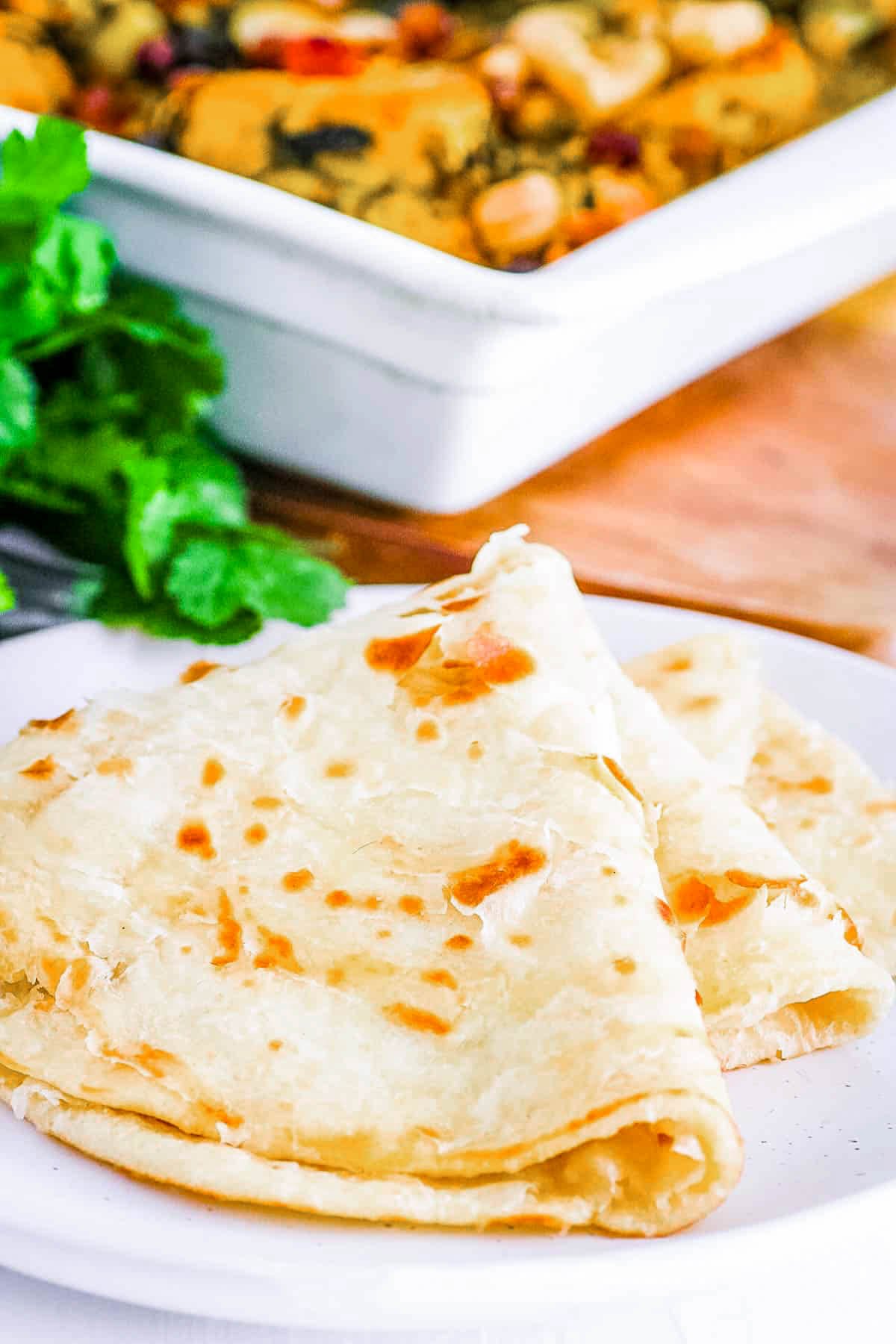
What Makes Guyanese Roti Unique
Guyanese roti, often called oil roti or paratha roti, is soft, flaky, and full of layers. It is not dry or cracker-thin. It bends and tears like warm silk.
The secret is simple. You mix a soft dough, you rest it, and you trap oil between thin sheets. Heat and steam lift the layers. Gentle claps at the end help them bloom.
When people ask how to make Guyanese roti, I say this: aim for a soft dough and patient rests. That alone will take you far.

Key Ingredients and Tools
You do not need much to learn how to make Guyanese roti. Good flour, warm water, and oil can do wonders.
Ingredients for 8 rotis:
- 3 cups all-purpose flour, plus extra for dusting
- 1 teaspoon fine salt
- 1 teaspoon baking powder
- 1 to 2 teaspoons sugar, optional, for a tender crumb
- 1¼ to 1½ cups warm water, as needed
- 3 tablespoons neutral oil or ghee for the dough
- 6 tablespoons neutral oil or ghee for layering and cooking
Helpful tools:
- Large bowl and a dough scraper
- Kitchen scale or measuring cups
- Rolling pin and pastry brush
- Heavy skillet, cast-iron, or tawah
- Clean kitchen towel and a lidded container
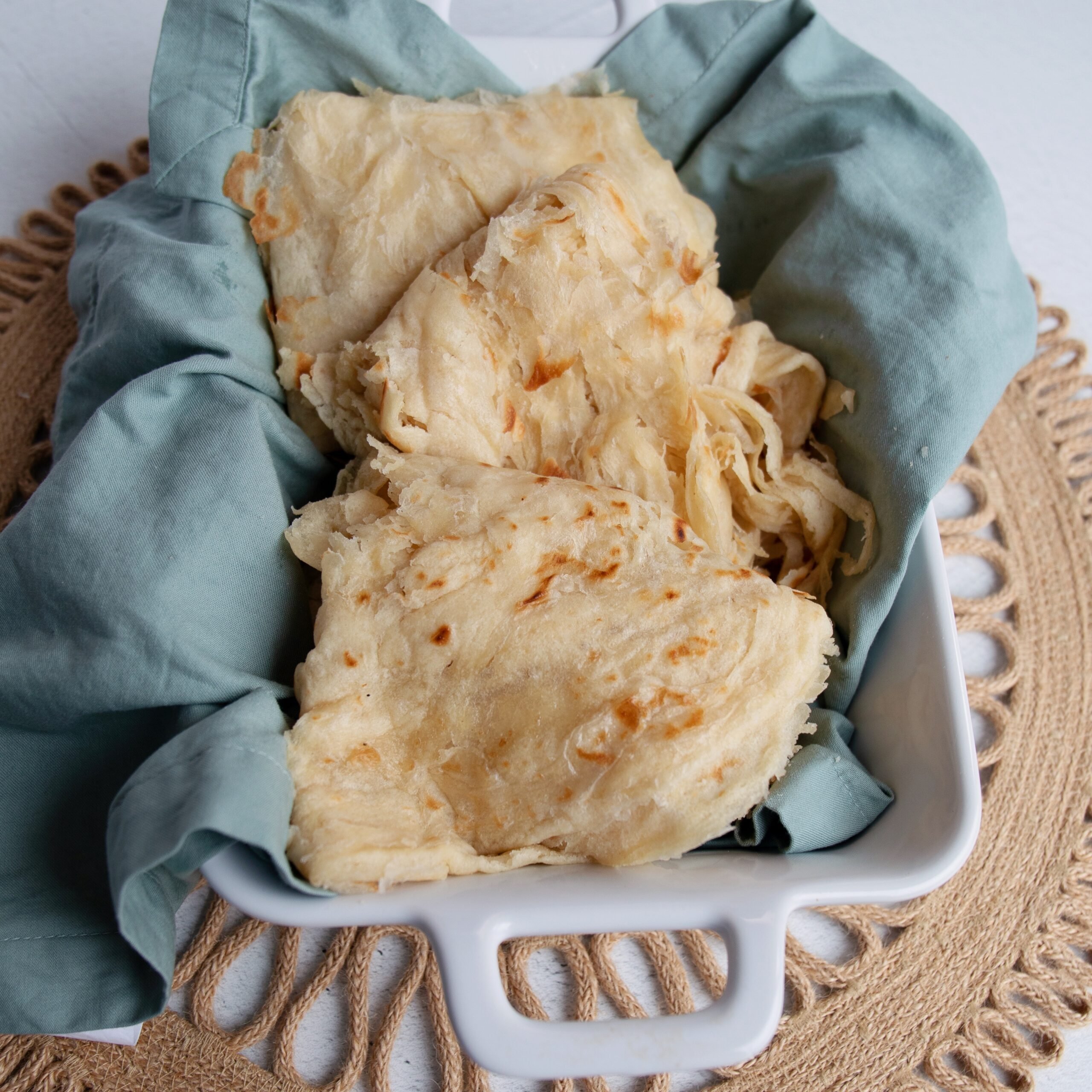
Step-by-Step: How to Make Guyanese Roti Dough
This is the base of how to make Guyanese roti. Keep the dough soft, smooth, and slightly tacky.
- Mix the dry items. Add flour, salt, baking powder, and sugar to a bowl.
- Add water slowly. Drizzle in warm water and 3 tablespoons oil. Stir until shaggy.
- Knead the dough. Work it for 6 to 8 minutes until smooth and soft. It should feel like your earlobe.
- Rest the dough. Cover and let it sit for 30 minutes. The rest relaxes gluten so the roti rolls thin without springing back.
Research shows that resting improves stretch and reduces tearing. That is key for how to make Guyanese roti with tender layers.
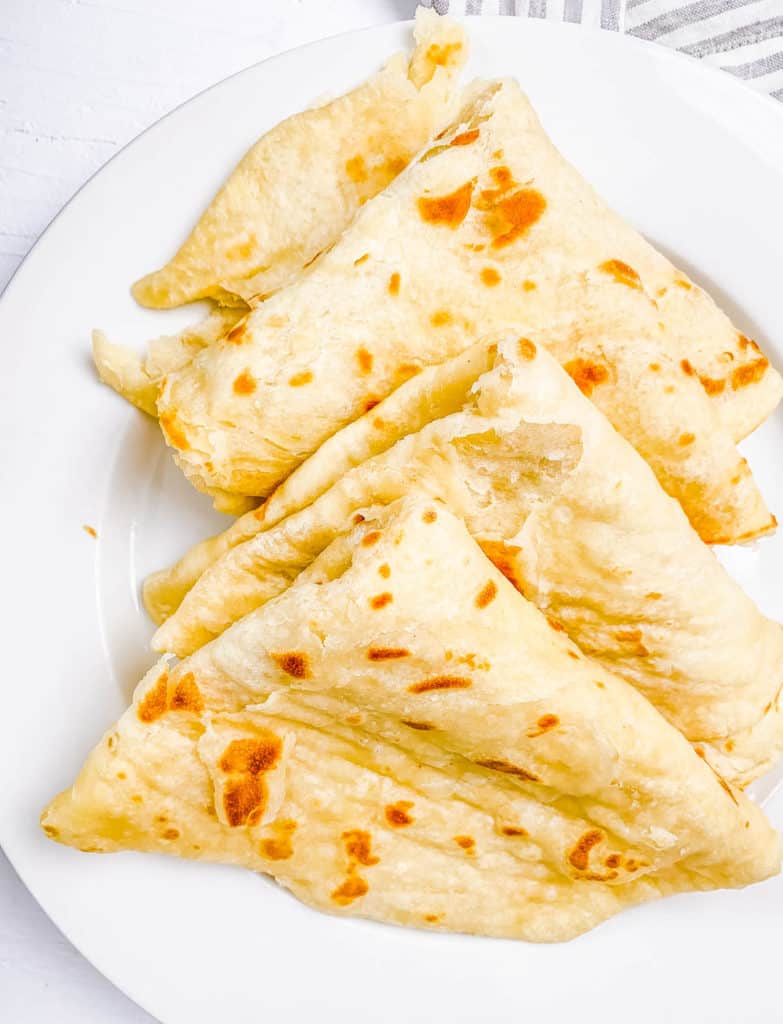
Lamination: How to Layer for Flakes
This step makes layers. More layers mean softer bites and better tear.
- Divide the dough. Cut into 8 equal pieces. Shape into balls.
- Roll a disc. Dust with flour. Roll each ball into a thin 8-inch circle.
- Brush oil. Paint a light coat of oil over the surface. Sprinkle a pinch of flour. This helps sheets separate.
- Make a cone. Cut a slit from the edge to the center. Roll into a cone. Tuck the tip under. Press the top to seal.
- Rest again. Stand cones on a tray. Cover and rest 20 to 30 minutes.
This cone method traps oil into spirals. It is a trusted move for how to make Guyanese roti that opens like a book of petals.

Rolling and Cooking on a Tawah or Skillet
Heat, timing, and a gentle hand matter here. This is where your layers show up.
- Preheat the pan. Medium to medium-high heat. Aim for about 375°F. A drop of water should dance on contact.
- Roll the cone. Press it flat. Roll into a round 9 to 10 inches wide. Use light flour so it does not stick.
- Cook side one. Place on the hot pan. When bubbles form and light spots appear, 45 to 60 seconds, flip.
- Oil and flip. Brush a little oil on the cooked side. After 30 to 45 seconds, flip again. Brush the other side. Press the edges with a spatula to help puff.
- Finish and clap. When light brown blisters show on both sides, remove and clap between towel-covered hands. Or scrunch it inside a towel to loosen layers.
Stack rotis in a towel-lined container. The steam keeps them soft. If you want to master how to make Guyanese roti like home cooks do, never skip the towel rest.

Troubleshooting and Pro Tips
Small fixes make a big change. These notes come from many Sunday lunches and test runs.
Common issues:
- Dough is stiff or dry. Add a spoon of warm water and knead. Soft dough makes soft roti.
- Roti shrinks as you roll. Rest longer. Rest relaxes gluten and stops spring-back.
- Pan smokes or roti burns. Lower the heat. Slow browning builds better flakes.
- No bubbles or lift. The pan is too cool, or the dough is too tight. Increase heat a bit and rest dough longer.
- Tough texture. Too much flour dusting can dry the surface. Use just enough to prevent sticking.
- Greasy finish. Use a thin oil film. More is not better.
Pro tips that help with how to make Guyanese roti:
- Hydration sweet spot is high. A soft, 65 to 70 percent hydration feel yields pliable sheets.
- Oil plus a pinch of flour during layering stops sticking and adds lift.
- A cast-iron skillet stores heat well. That helps even puff and color.

Variations: Dhal Puri and Sada Roti
Once you learn how to make Guyanese roti, try these classics.
Dhal puri roti:
- Cook and grind split peas with garlic, cumin, pepper, and salt.
- Stuff a dough ball with the cooled filling. Seal well.
- Roll gently and cook as above. Brush oil on each side.
Sada roti:
- Skip oil layers and baking powder or keep it light.
- Roll thicker and cook on medium heat until puffed and speckled.
Each style follows the same heart rule. A soft dough and smart heat give the best bite.

Serving Ideas, Storage, and Reheating
Roti is a plate and a spoon in one. It pairs with bold, warm flavors.
Serve with:
- Chicken curry, duck curry, or beef curry
- Channa and aloo, pumpkin talkari, or bhaji
- Mango achar, pepper sauce, or cucumber relish
Store and reheat:
- Keep leftovers wrapped in a towel inside a sealed bag once cool.
- Refrigerate up to 3 days. Freeze with parchment between each roti for 2 months.
- Reheat on a warm skillet with a few drops of water and a lid for 30 seconds. Or use low oven heat wrapped in foil.
These simple steps lock in softness. They matter as much as how to make Guyanese roti on day one.

Nutrition and Ingredient Swaps
Roti is simple food. It can fit many diets with small tweaks.
Smart swaps:
- Use oil for a vegan roti. For a richer taste, use ghee.
- Replace up to 25 percent of flour with whole wheat. More than that reduces softness.
- For dairy notes without milk, add 1 teaspoon sugar and a bit more oil.
- Gluten-free mixes work best with 1 teaspoon psyllium husk per cup. Expect less stretch. True paratha layers need gluten.
If you focus on how to make Guyanese roti with fewer calories, use a thin oil brush and smaller rounds. Flavor will still shine.
Frequently Asked Questions of how to make guyanese roti
Why isn’t my roti soft and flaky?
The dough may be too stiff or under-rested. Use more water for a soft dough and rest before and after layering.
Can I make roti without baking powder?
Yes. You will still get layers from the oil and folding. The baking powder only adds a slight lift and softness.
What’s the best pan to use?
A cast-iron skillet or a tawah is ideal. It holds steady heat, which helps with puff and even browning.
How long should the dough rest?
Rest 30 minutes after kneading and 20 to 30 minutes after layering. Resting relaxes gluten so the roti rolls thin and stays tender.
Can I use whole wheat flour?
Use up to 25 percent for best texture. More than that makes rolling harder and the roti denser.
How much oil should I use?
Use a thin brush layer while cooking and a light coat during lamination. Too much oil makes the roti heavy and greasy.
Can I freeze roti dough or cooked roti?
Yes to both. Freeze dough balls or cooked rotis with parchment between layers, then reheat on a warm pan.
Conclusion
You now know how to make Guyanese roti that is soft, flaky, and full of layers. Keep the dough soft, rest it well, layer with oil, and cook on steady heat. Small moves, like a light oil brush and a towel rest, bring big results.
Roll a batch this week and track what works for you. If you found this guide helpful, share it, subscribe for more step-by-step recipes, and leave a comment with your own roti tips or questions.