
It’s a low-heat, steady airflow mode that removes moisture from food.
If you’ve ever wondered what does dehydrate mean on a air fryer, you’re in the right place. I’ve tested dozens of batches across fruits, veggies, herbs, and even jerky. In this guide, I’ll break down exactly how the setting works, what to expect, and how to get crisp, shelf-friendly results. You’ll learn the science, the steps, and the pro tips most manuals skip, so you can master what does dehydrate mean on a air fryer with confidence.
What does dehydrate mean on a air fryer?
The dehydrate function runs your air fryer at a low temperature with a gentle fan. It draws out moisture from food over hours, not minutes. The goal is preservation and texture, not browning.
In practice, what does dehydrate mean on a air fryer is simple: it behaves like a compact dehydrator. It holds temps around 95–175°F, moves air across thin, evenly cut pieces, and finishes when the food is dry and leathery or crisp. It differs from air fry mode, which uses higher heat for fast browning.
If your unit has a dedicated Dehydrate button, it pre-sets a low range and longer timer. If not, you can mimic it by setting the lowest temp and a long timer, then checking often.
How the dehydrate function works
Air fryers use a heating element and a fan. Dehydrate mode lowers the heat and keeps a steady airflow. The warm, dry air picks up moisture from the food surface, then moves it away. Over time, water inside the food migrates out and the piece dries.
Most models dehydrate between 105–160°F. Some go as low as 95°F for herbs. Fruit dries best at 125–135°F. Veggies often do well at 125–145°F. Protein jerky is special. Follow food safety steps for jerky, which often include heating meat to a safe temp before drying per standard guidelines.
Knowing what does dehydrate mean on a air fryer helps you understand this slow, steady process. It is about moisture control, not quick cooking.

Settings, time ranges, and doneness checks
Every brand is a bit different, but these ranges work well:
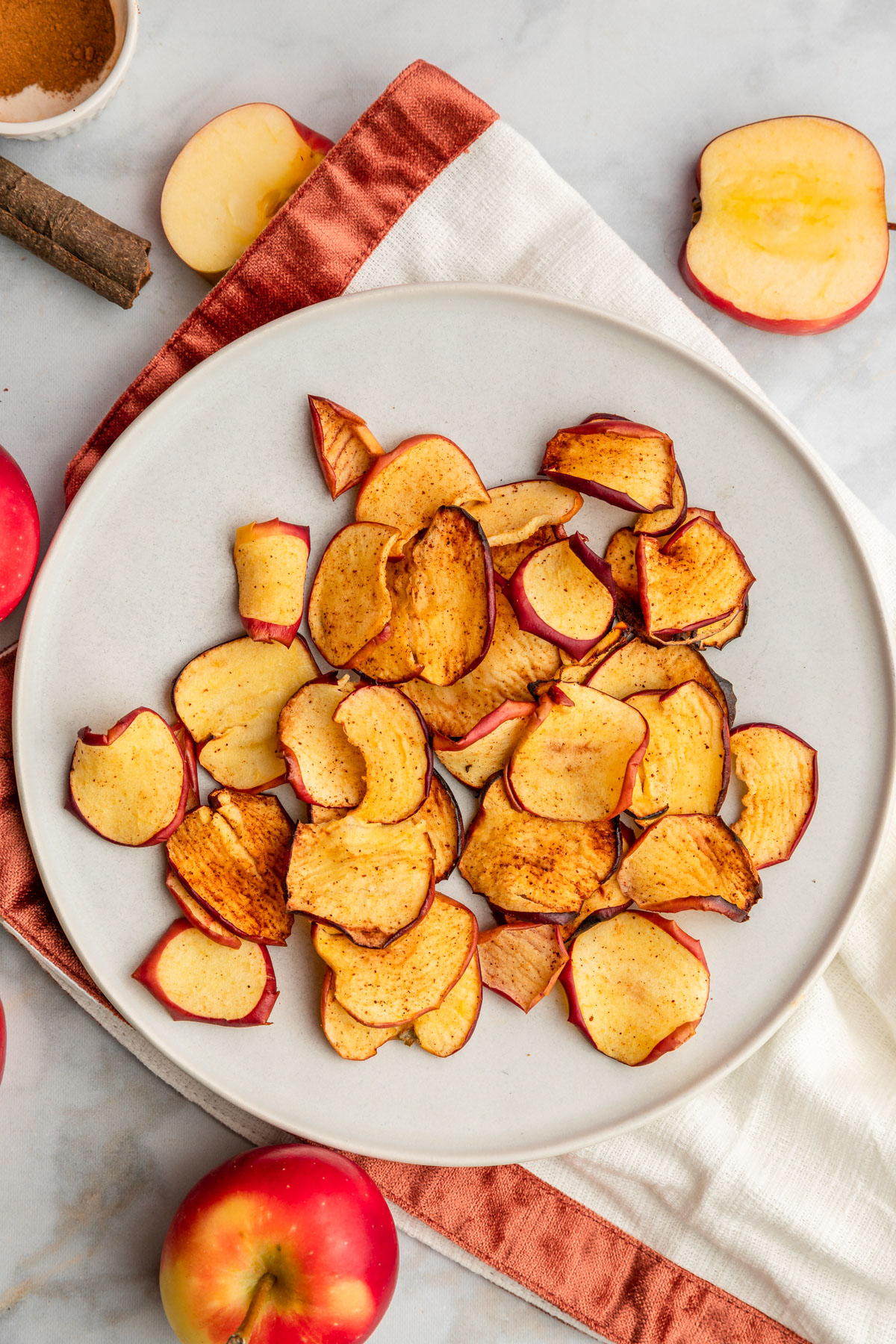
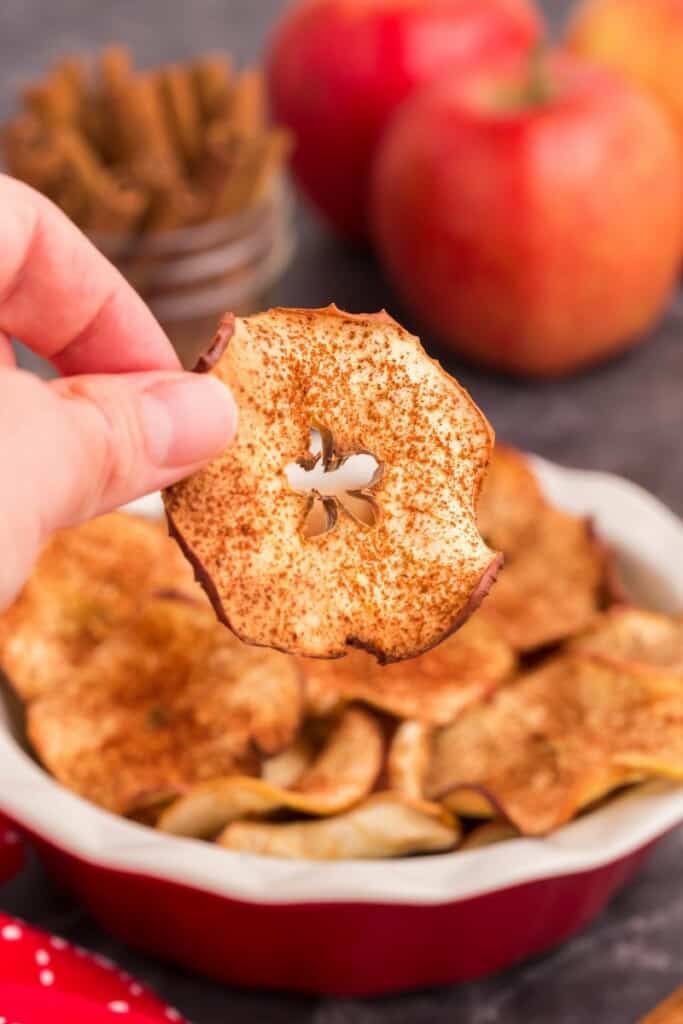
- Apple slices at 135°F: 4–8 hours, dry, pliable, no wet spots.
- Strawberries at 135°F: 4–6 hours, leathery with a tack-free surface.
- Pineapple at 135–145°F: 6–10 hours, chewy, no beads of moisture.
- Kale at 115–125°F: 2–4 hours, brittle and light.
- Mushrooms at 125–135°F: 3–6 hours, crisp-dry, snap cleanly.
- Herbs at 95–110°F: 1–3 hours, crumble easily.
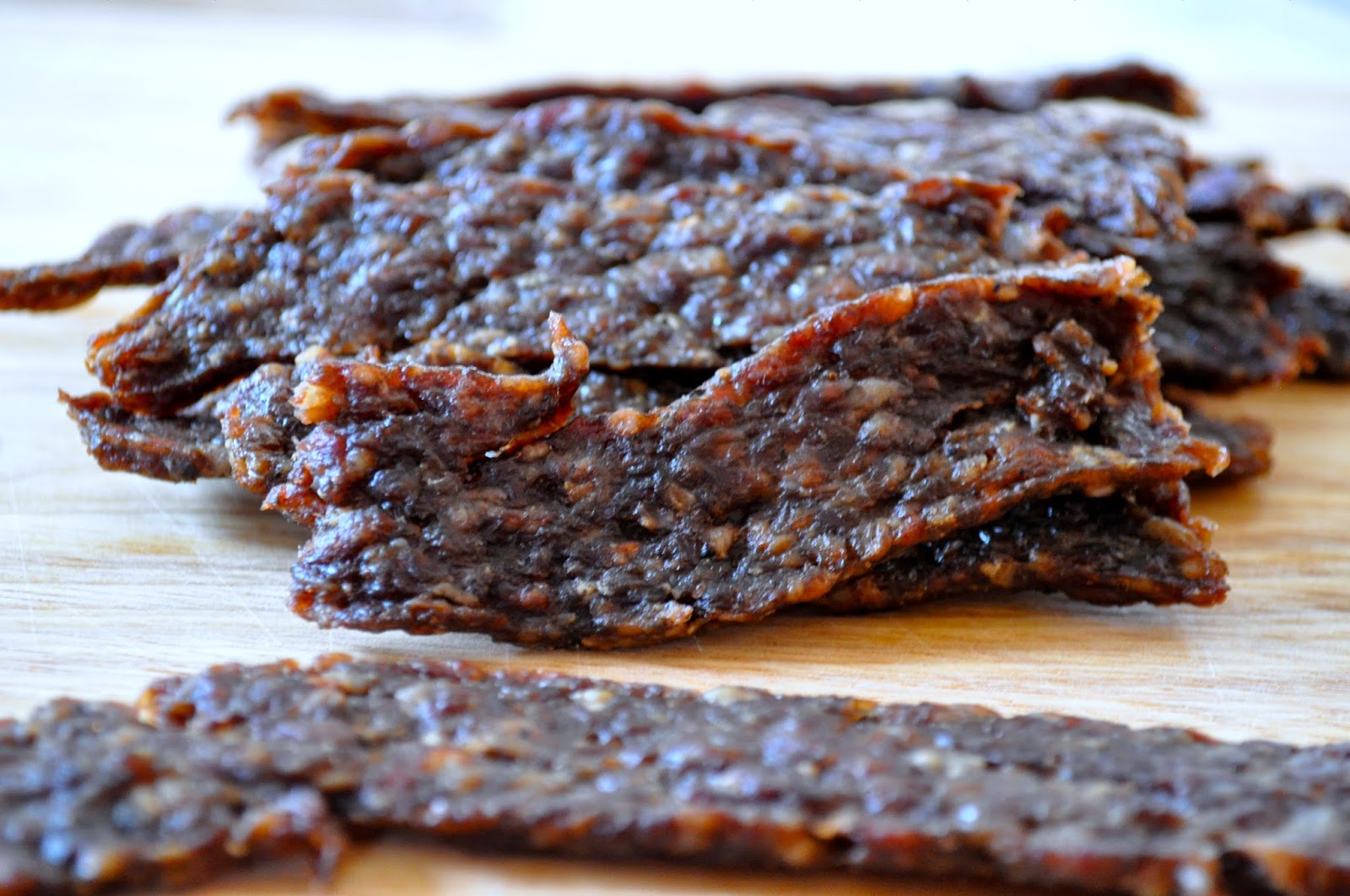
- Beef jerky: Preheat meat to safe temp first, then dry at 145–160°F until bend-and-crack stage.
Doneness checks you can trust:
- Touch test: No tacky spots, no cool, damp feel.
- Bend test: Fruit should bend and not ooze. Jerky should crack but not snap.
- Weight test: Pieces feel much lighter. That is a good sign of moisture loss.
If you are asking what does dehydrate mean on a air fryer for time and temp, think low and slow. Plan for hours, not minutes.
What foods dehydrate well, and what to skip
Great for dehydration:
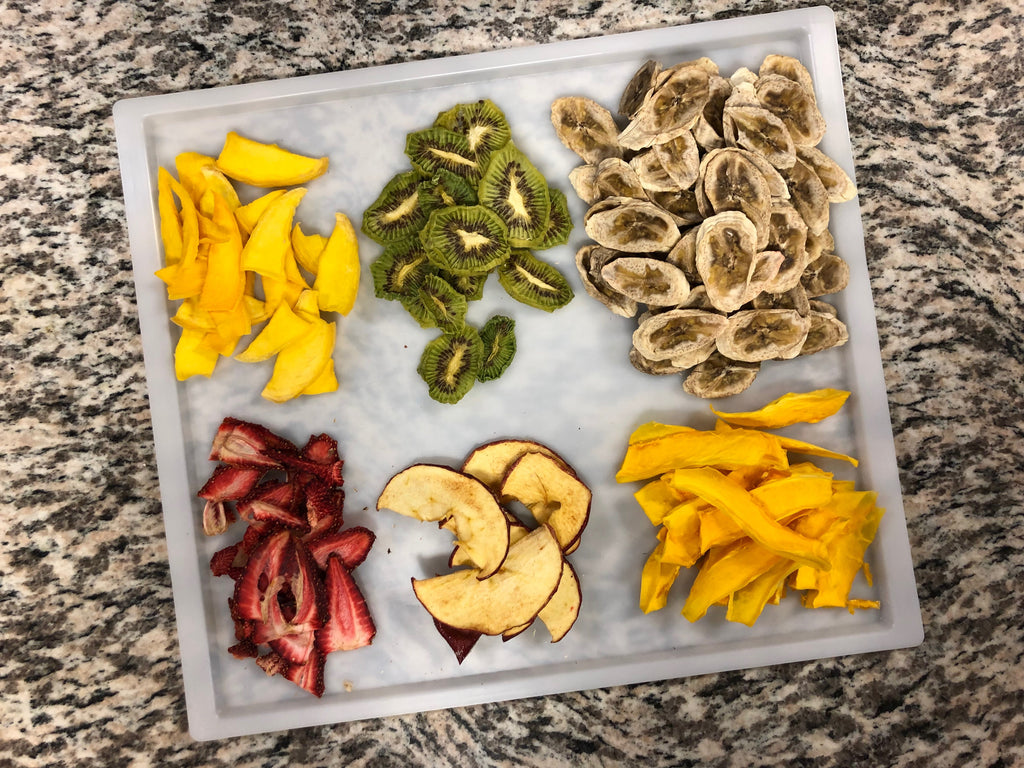
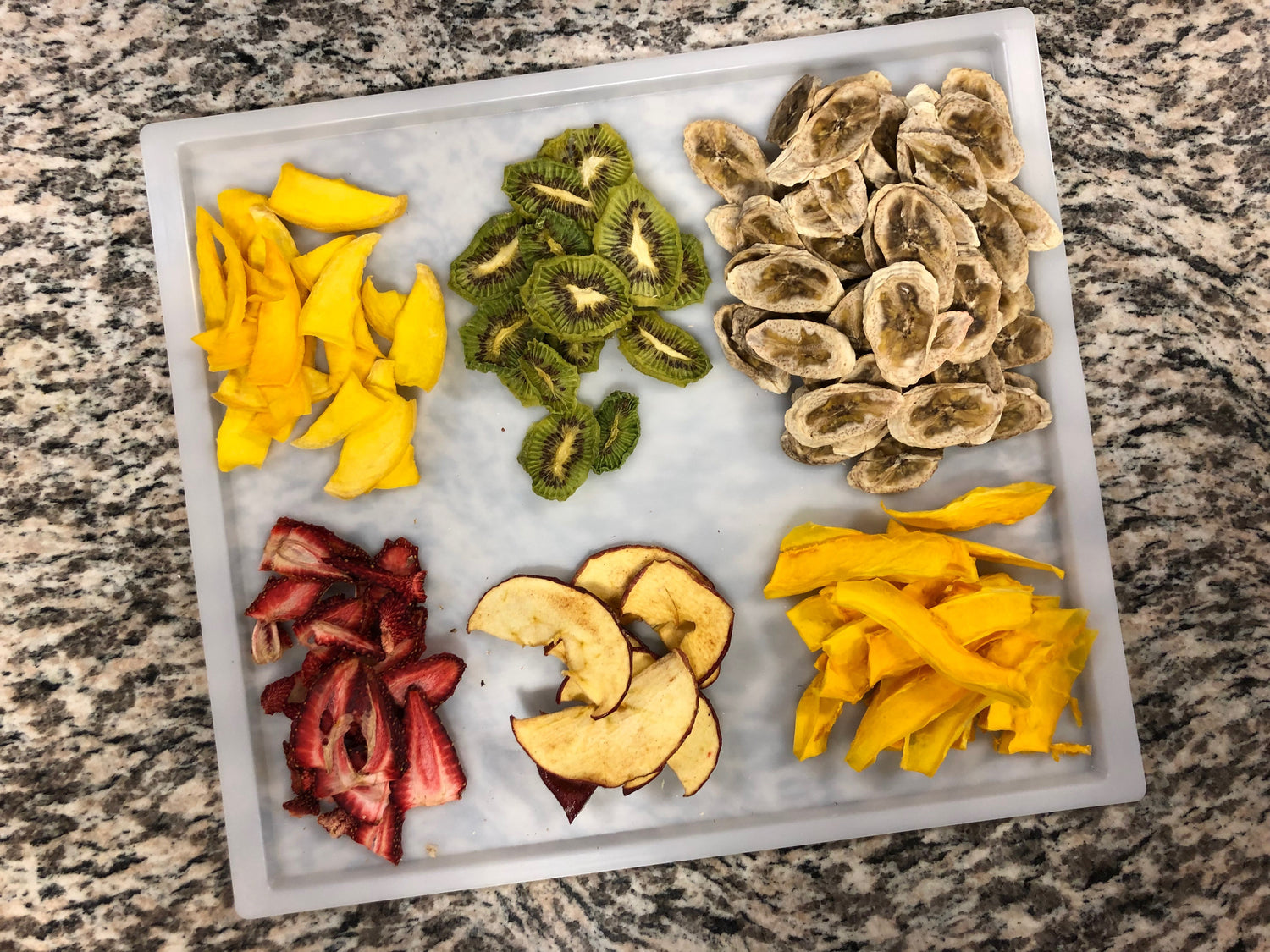
- Fruits like apples, bananas, mango, berries, pineapple, citrus.
- Vegetables like bell peppers, tomatoes, mushrooms, zucchini.
- Leafy snacks like kale and spinach.
- Fresh herbs like basil, mint, cilantro, parsley.
- Aromatics like garlic and onion slices.
- Cooked and preheated meats for jerky, following safety steps.
Tricky or poor candidates:
- Very fatty items like pork belly. Fat does not dry well.
- Thick, wet foods that are not sliced thin.
- High-sugar sauces. They can burn or stay tacky.
I learned this early. My first banana chips were gummy because I sliced them thick. Thin, even cuts were a game changer. That is part of what does dehydrate mean on a air fryer in real life: patience and uniform slices.

Step-by-step: How to dehydrate in your air fryer
- Wash and dry produce well.
- Slice thin and even. Aim for 1⁄8 to 1⁄4 inch.
- Pretreat if needed. Dip apples in lemon water to prevent browning.
- Pat surfaces dry with a towel.
- Arrange in a single layer on racks. Leave space for airflow.
- Set Dehydrate mode, 105–145°F based on food.
- Start the timer long. You can always stop early.
- Rotate racks every 1–2 hours for even drying.
- Test doneness. Add time in short blocks if needed.
- Cool before storing to avoid trapped steam.
This order works across brands and helps anyone new to what does dehydrate mean on a air fryer turn out great results the first time.
Pro tips, common mistakes, and helpful gear
Pro tips from lots of test batches:
- Slice with a mandoline for uniform thickness.
- Use mesh or perforated racks to boost airflow.
- Lightly spritz fruit with lemon water to keep color.
- Use parchment with holes for sticky items.
Mistakes to avoid:
- Overcrowding. It slows drying and causes wet pockets.
- Going too hot. That can case-harden the outside and trap moisture.
- Storing while warm. Condensation ruins texture.
Helpful gear:
- Stackable racks to increase capacity.
- Mesh screens for small items like herbs.
- Vacuum sealer or tight jars for storage.
What does dehydrate mean on a air fryer in practice? It means small tweaks add up to big wins.
.jpg)
Dehydrate vs air fry vs oven vs dedicated dehydrator
Air fryer dehydrate vs air fry:
- Dehydrate: Low heat, no browning, long time.
- Air fry: High heat, fast browning and crisp edges.
Air fryer dehydrate vs oven:
- Air fryers have stronger, focused airflow.
- Ovens may not go low enough or move air well without convection.
Air fryer vs stand-alone dehydrator:
- Air fryers are faster to preheat and great for small batches.
- Dehydrators offer more trays, better temp control, and often quieter fans.
If you are exploring what does dehydrate mean on a air fryer for meal prep, think of it as a solid starter option. It is not always as spacious as a dehydrator, but it is very convenient.

Storage, safety, and shelf life
Get storage right after drying:
- Cool completely before packing.
- Condition fruit by sealing in a jar for 5–7 days, shaking daily. If condensation appears, dry longer.
- Store in airtight containers in a cool, dark place.
Safety for jerky and protein snacks:
- Follow standard guidance to heat meat to a safe internal temp before drying.
- Use lean cuts. Trim visible fat to prevent rancidity.
- Check texture. It should bend and crack, not feel soft or wet.
Shelf life basics:
- Herbs: 6–12 months when kept dry and dark.
- Fruit and veg: 6–12 months in airtight jars or bags.
- Jerky: 1–2 months at room temp if very dry and sealed. For longer, freeze.
This is where knowing what does dehydrate mean on a air fryer matters. You are preserving food, so safety and dryness come first.
Troubleshooting: Texture, time, and taste
If pieces stay sticky:
- Lower thickness and slice more evenly.
- Reduce temperature slightly and extend time.
- Improve spacing and rotate racks more often.
If pieces get too hard:
- Lower temperature. Case hardening happens when it is too hot.
- Try a shorter time and test more often.
If flavor seems dull:
- Use ripe produce. Unripe fruit never gets sweeter.
- Add a light sprinkle of spice or a citrus mist before drying.
People ask what does dehydrate mean on a air fryer when results are mixed. It means tuning three things: slice size, airflow, and temperature.
Energy, time, and batch size
Air fryers heat fast and focus air, which can be more efficient than big ovens for small loads. Time varies by food, but you can expect 2–10 hours for most produce. Large, watery items take longer.
Batch size matters:
- Use multiple racks with space between pieces.
- Do not stack slices. One layer per rack.
- For big projects, consider several small batches.
When you weigh the effort, knowing what does dehydrate mean on a air fryer helps you plan. It is a set-it-and-check-it process, not hands-off.
Cleaning and maintenance after dehydrating
Sweet juices and fine herb dust can cling to racks. Clean soon after cooling.
- Soak racks in warm, soapy water.
- Use a soft brush to clear mesh.
- Wipe the chamber and fan guard area with a damp cloth.
Avoid harsh scrubbing on nonstick parts. Keep vents clear. A clean unit dries more evenly. That is one small part of what does dehydrate mean on a air fryer in daily use: light care for long life.
Frequently Asked Questions of what does dehydrate mean on a air fryer
Is dehydrating in an air fryer the same as air frying?
No. Dehydrating uses low heat and steady airflow over hours to remove moisture. Air frying uses high heat to brown and crisp in minutes.
What temperature should I use for fruit and veggies?
Most fruits do well at 125–135°F, and many vegetables at 125–145°F. Start low and extend time if needed.
Can I make beef jerky in my air fryer?
Yes, but follow food safety steps. Heat meat to a safe temperature first, then dry until it bends and cracks but does not snap.
How thin should I slice for best results?
Aim for 1⁄8 to 1⁄4 inch, and keep slices even. Uniform pieces dry at the same rate, which prevents sticky spots.
How do I store dehydrated foods?
Cool fully, then seal in airtight jars or bags in a cool, dark place. Condition dried fruit for a week to confirm no hidden moisture.
Why are my banana chips still chewy?
They are likely too thick or not fully dry. Slice thinner, lower the temp slightly, and extend the time until they feel dry and light.
Do I need special racks for dehydrating?
Mesh or perforated racks help airflow and prevent small pieces from falling through. They are optional but make results more even.
Conclusion
You now know what does dehydrate mean on a air fryer: low heat and steady airflow that turn fresh food into shelf-ready snacks. With thin slices, patient timing, and smart storage, you can dry fruit, veggies, herbs, and safe jerky like a pro. Start with one tray of apples or herbs, learn your machine, and scale from there.
Ready to put this into action? Try a simple batch today, track your time and temp, and share your results. Want more guides like this? Subscribe for weekly kitchen tips and tested recipes.