Mix whole wheat flour and warm water, knead gently, rest, roll thin, cook hot.
If you want to learn how to make soft roti that stays tender for hours, you’re in the right kitchen. I’ve taught dozens of home cooks how to make soft roti using simple steps, clear cues, and a little science. This guide blends pro tips with real-life practice so you can master how to make soft roti on any stove, any day.

The science behind a soft roti
Soft roti starts with balance. You need enough water to hydrate the flour, just enough kneading to build a gentle gluten network, and high heat to puff the layers fast.
Here is what is happening in your dough:
- Hydration shapes texture. Atta absorbs more water than all-purpose flour. Aim for a soft, pliable dough.
- Rest makes it easy. A 20 to 30 minute rest lets flour soak water and gluten relax.
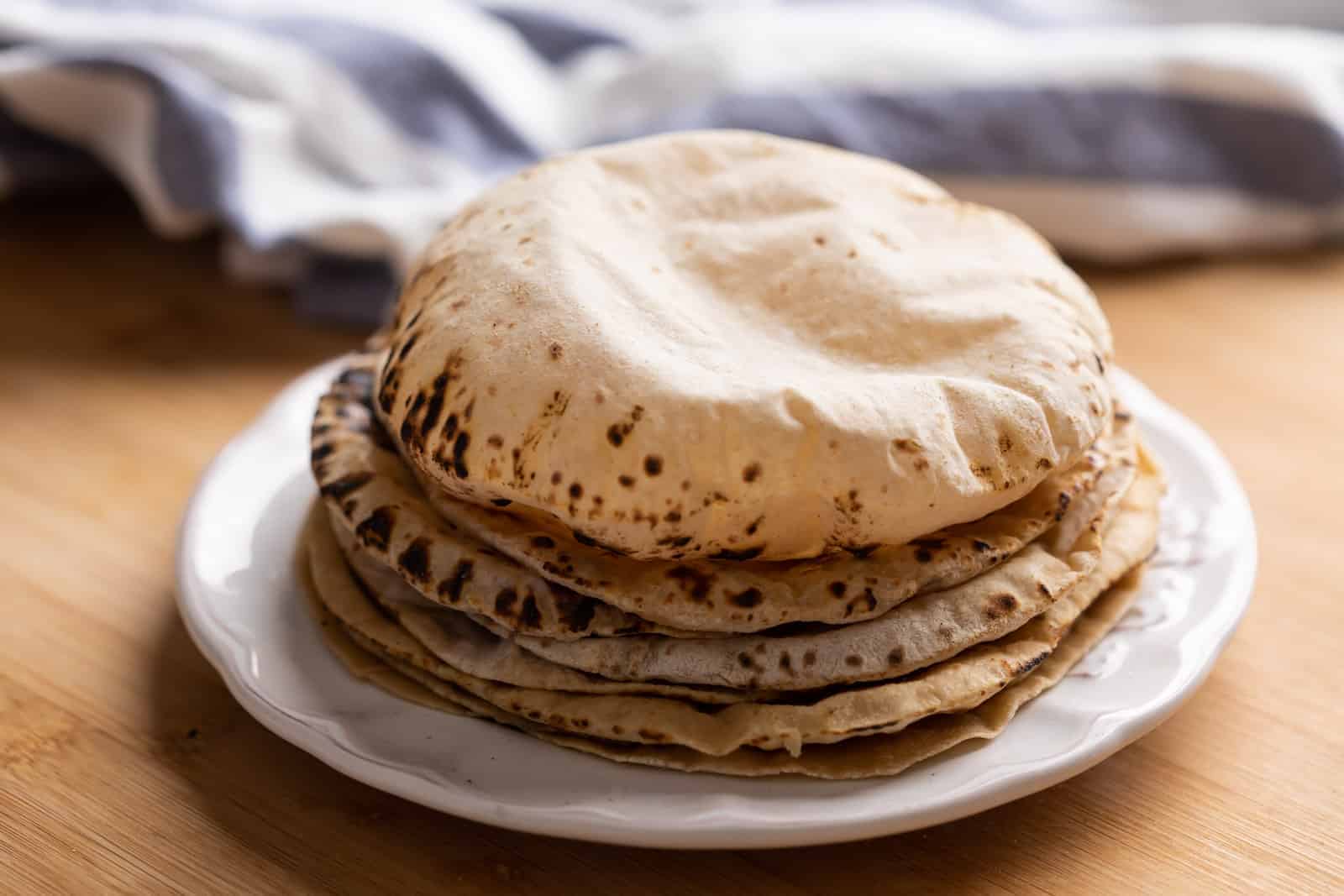
- Heat locks in steam. A very hot tawa traps steam, which puffs the roti and keeps it soft.
- Minimal dusting avoids dryness. Use only a light sprinkle of dry flour when rolling.
When you understand this flow, you’ll know how to make soft roti that turns out light, flexible, and tasty.

Ingredients and tools
You only need a short list to nail how to make soft roti. Use fresh, fine whole wheat flour for best results.
Ingredients for 8 to 10 rotis:
- Whole wheat atta flour 2 cups (about 260 to 280 g)
- Warm water 3/4 to 1 cup (about 180 to 240 ml), added as needed
- Salt 1/2 teaspoon, optional
- Oil or ghee 1 teaspoon in dough, optional
- For cooking and finishing A few drops ghee or butter, optional
Tools:
- Mixing bowl and measuring cup
- Flat surface for kneading
- Rolling pin and small plate of dry flour for dusting
- Cast-iron or steel tawa, skillet, or griddle
- Clean kitchen towel or paper towels
- Tongs for flipping
- Optional wire rack for an electric stove puff

Step-by-step: how to make soft roti
These steps show you exactly how to make soft roti from start to finish, with clear cues.
- Mix the dough
- Add flour and salt to a bowl.
- Add warm water little by little. Stir with fingers until you get a shaggy dough.
- If using oil or ghee, add it now.
- Knead to smooth
- Knead for 5 to 8 minutes until smooth and soft. The dough should not stick much but should feel springy.
- If dry, wet hands and knead 30 seconds. If sticky, dust a teaspoon of flour.
- Rest the dough
- Cover and rest 20 to 30 minutes. This keeps roti soft and easier to roll.
- In dry weather, rub a few drops of oil on the dough before covering.
- Divide and pre-shape
- Make 8 to 10 equal balls. Each should be about a golf ball in size.
- Keep them covered so they do not dry.
- Roll thin and even
- Lightly dust the board and ball. Press into a small disc.
- Roll from center out, a quarter turn at a time. Aim for 6 to 7 inches wide, very even, and thin like a tortilla.
- Shake off extra dry flour. Extra dust can make roti dry.
- Heat the pan
- Preheat the tawa on medium-high for 3 to 5 minutes. A drop of water should sizzle and vanish on contact.
- Cook and puff
- Place the roti on the hot tawa. When small bubbles form and color changes slightly, flip after 20 to 30 seconds.
- Cook the second side 30 to 40 seconds until light brown spots appear.
- Flip again. Press edges gently with a cloth or spatula. Or place the roti on direct flame for 5 to 10 seconds to puff.
- Remove and cover in a lined container. Brush with ghee if you like.
- Repeat and stack
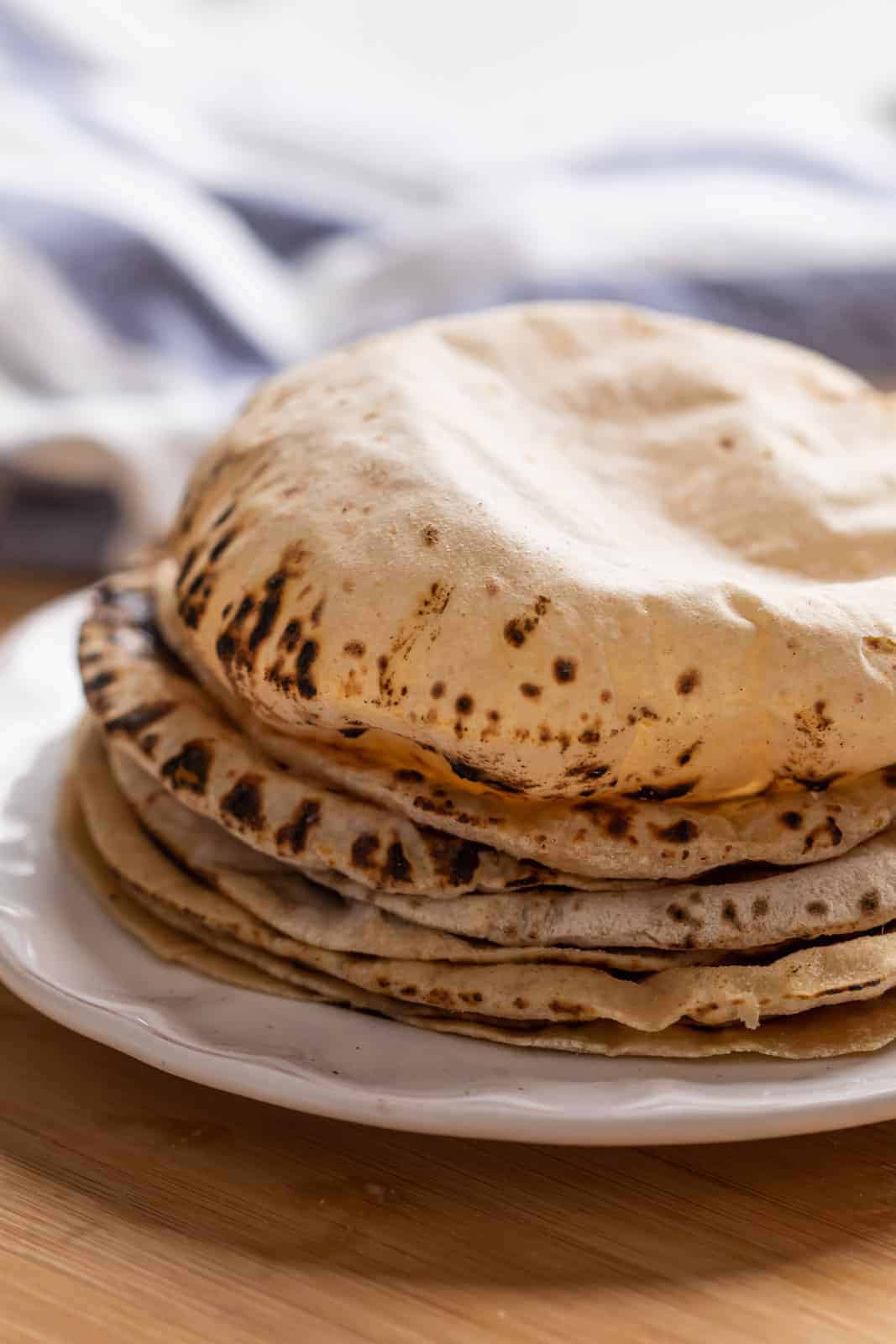
- Keep rotis stacked and covered with a towel. Trapped steam keeps them soft.
Pro tips from my kitchen:
- Warm water helps the dough hydrate fast. It also makes rolling easy.
- Thin, even rolling matters more than perfect circles.
- A very hot tawa is key. Low heat dries roti before it puffs.
- For electric stoves, hold a wire rack over the burner to mimic direct flame puff.
Common mistakes to avoid:
- Too much dry flour while rolling makes roti stiff.
- Skipping the rest time leads to shrinkage and hard edges.
- Thick rotis need longer cooking and can turn chewy.
Timing cheat sheet:
- Mix and knead 10 minutes
- Rest 20 to 30 minutes
- Roll and cook 15 minutes for 8 to 10 rotis
By following this flow, you will know exactly how to make soft roti every time, even on busy weeknights.
Troubleshooting: quick fixes for common roti problems
If your roti is not soft, use these simple fixes.
-
Roti turns hard after cooling
Add a bit more water next time, and rest the dough longer. Keep cooked rotis covered to trap steam. -
Roti does not puff
Roll thinner and more even. Cook on higher heat and press edges to help steam move. -
Roti looks dry or cracks while rolling
Knead in 1 to 2 teaspoons more water. Cover dough balls well and use less dusting flour. -
Roti tastes chewy
Lower kneading time and avoid over-rolling with pressure. Cook fast on a hotter pan. -
Roti sticks to the board
Use a tiny dusting of flour or a silicone mat. Wipe the board dry if damp.
These tiny tweaks are what teach you how to make soft roti in real-life kitchens with real-world stoves.

Variations and add-ins
You can change the dough to suit your taste and still learn how to make soft roti with ease.
- Oil or ghee in dough Adds a hint of richness and keeps roti soft longer.
- Milk or yogurt swap Replaces part of the water for a tender crumb and mild tang.
- Hot water dough Great in cold weather. Makes rolling smoother and rotis softer.
- Multigrain blend Mix atta with a little barley, oat, or millet flour. Add 1 to 2 teaspoons extra water per cup.
- Gluten-free path Try sorghum or millet with a binding agent. Expect less puff, but great taste.

Storage, reheating, and make-ahead
Make extra and enjoy later without losing softness.
- Short hold Stack rotis in a container lined with a towel. Keep covered as you cook.
- Room temp Cool fully, then store up to 12 hours covered.
- Fridge Keep up to 3 days. Wrap in a towel and place in a bag or box.
- Freeze Layer with parchment. Freeze up to 1 month. Thaw wrapped to prevent drying.
- Reheat On a hot tawa 30 to 40 seconds with a few drops of water nearby for steam. Or wrap in a damp paper towel and microwave 15 to 20 seconds.
Make-ahead dough:
- Dough keeps 24 hours in the fridge. Rub with a little oil and cover tight.
- Dough balls freeze well. Thaw in the fridge, then bring to room temp before rolling.
With these habits, you will always know how to make soft roti in advance without last-minute stress.

Serving ideas and nutrition notes
Soft roti pairs with almost anything and supports a balanced plate.
- Pairings Dal, chana masala, paneer bhurji, grilled chicken, egg bhurji, sautéed greens.
- Wrap ideas Stuff with leftover roast veg, hummus, or scrambled eggs for quick meals.
- Nutrition Whole wheat adds fiber, iron, and B vitamins. Brush with ghee if you like, but go light if you watch calories.
Knowing how to make soft roti helps you build fast, healthy meals that feel like home.
Frequently Asked Questions of how to make soft roti
Which flour is best for soft roti?
Fine whole wheat atta is best because it absorbs more water and rolls thin. Look for fresh flour with a mild, nutty smell.
How much water should I use for the dough?
Start with 3/4 cup for 2 cups flour and add as needed. Aim for a soft, non-sticky dough that springs back gently.
Can I make soft roti without oil or ghee?
Yes. Water, rest, and high heat are enough to keep rotis soft. Brush with ghee only if you want added flavor.
Why do my rotis not puff?
They may be too thick or the pan may be too cool. Roll evenly and cook on a very hot surface, then press edges or use direct flame.
How do I keep rotis soft for lunch boxes?
Stack hot rotis and wrap in a towel to trap steam. Cool slightly before sealing the box to avoid sogginess.
Can I use all-purpose flour for roti?
You can, but texture and flavor will differ. All-purpose flour makes softer but less hearty rotis.
How do I make roti on an electric stove?
Use a heavy skillet for heat and a wire rack for a quick puff. Press with a cloth if you do not have a rack.
What is the ideal rest time for the dough?
Twenty to thirty minutes is optimal for hydration and relaxation. Longer rests can make rolling even easier.
Conclusion
You now know how to make soft roti with simple steps, clear cues, and a few pro tricks. Use warm water, rest the dough, roll thin and even, and cook hot for a fast puff and lasting softness.
Set a timer for a 30-minute practice run this week. Master two or three rotis, then scale up. Share your results, ask questions, or subscribe for more easy, tested kitchen guides that help you cook with confidence.