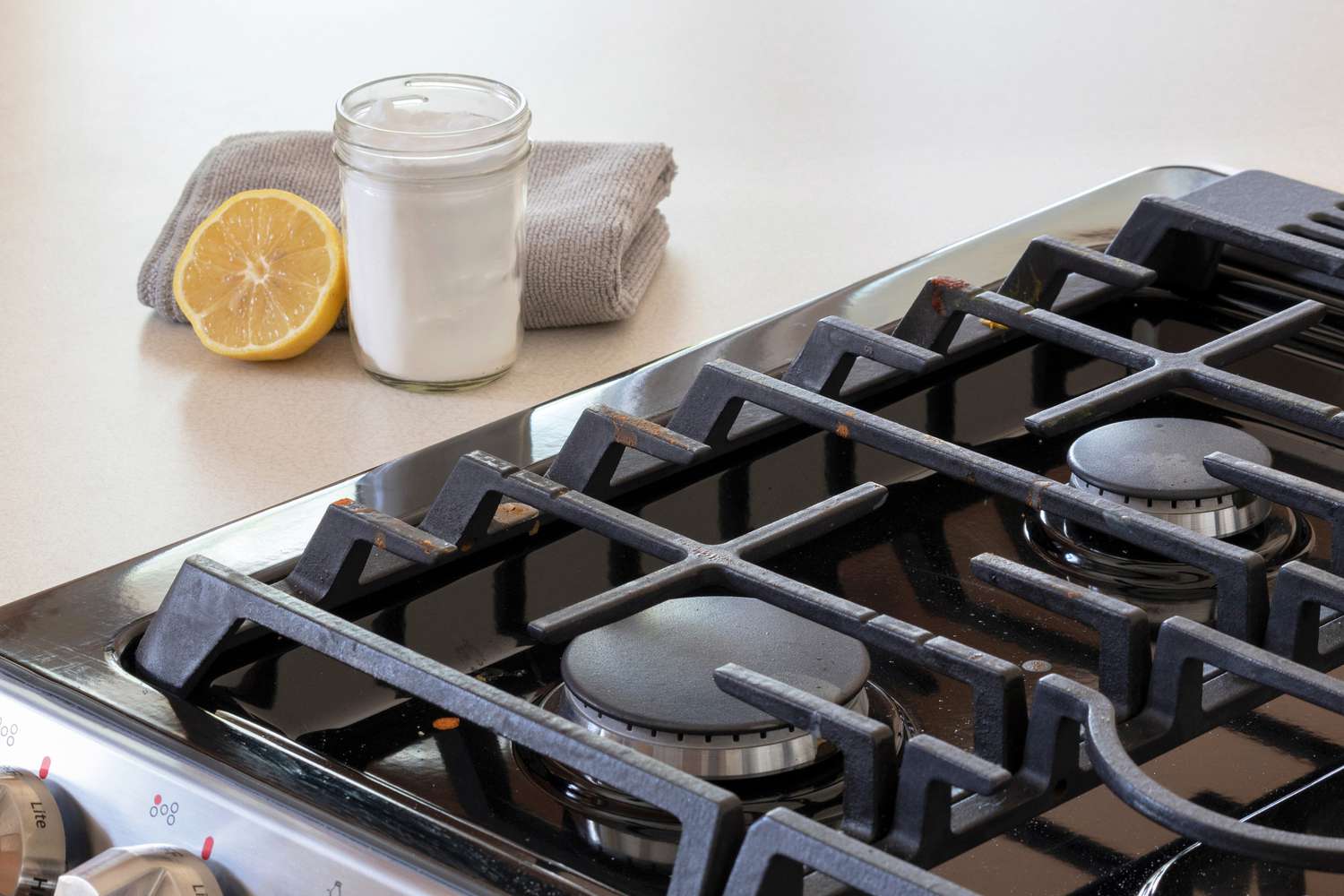
Soak with hot water and a degreaser, scrub with a brush, rinse, then dry thoroughly.
I’ve cleaned dozens of kitchen stoves in my years as a home-care writer and homeowner. This guide on how to clean gas stove grates breaks the job into safe, simple steps. You will learn what tools to use, several proven methods, safety tips, and easy maintenance habits that keep grates looking new. Read on for clear, tested advice and practical tips you can use today.

Why clean gas stove grates?
Grease and food build-up on grates reduces heat efficiency and looks unsanitary. Left too long, grime can harden and become much harder to remove. Regular cleaning restores heat transfer and helps your burners work as designed. Clean grates also reduce fire risk and keep your kitchen smelling fresh. Knowing how to clean gas stove grates makes the chore quick and predictable.

Tools and materials you’ll need
Use simple items you likely have at home or can buy cheaply.
- Dish soap or liquid degreaser for everyday grime.
- Baking soda and white vinegar for stubborn grease.
- A nylon or brass brush, nonabrasive scrub pad, or old toothbrush.
- Rubber gloves and safety glasses for protection.
- Large sink, tub, or trash bag for soaking.
- Microfiber cloths or kitchen towels for drying.
- Optional: oven cleaner or a commercial degreaser for heavy buildup.

Safety tips and preparation
Safety keeps cleaning quick and without accidents.
- Turn off all burners and let grates cool completely before starting.
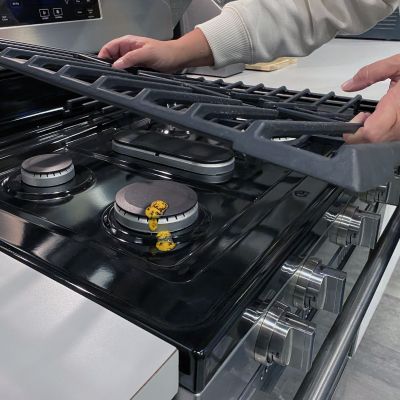
- Remove grates gently to avoid bending or chipping porcelain-coated pieces.
- Work in a well-ventilated area when using strong cleaners or oven cleaner.
- Test a small hidden spot first for porcelain or coated grates to avoid damage.
- Wear gloves to protect your skin from hot water and chemicals.

Step-by-step methods for how to clean gas stove grates
Choose a method based on how dirty the grates are. I list gentle options first and stronger ones later.
1. Daily quick clean (best for light messes)
- Remove grates and wipe loose debris with a dry cloth.
- Fill sink with hot, soapy water and soak for 10–15 minutes.
- Scrub with a brush or sponge, rinse, and dry completely.
- Reinstall grates when fully dry.
This quick method prevents buildup and takes under 20 minutes.
2. Baking soda paste for stubborn spots
- Make a paste with baking soda and a few drops of water.
- Spread paste on grates and let sit 15–30 minutes.
- Scrub with a nylon brush, rinse, and dry.
Baking soda acts as a mild abrasive and deodorizer. It’s safe on most finishes.
3. Soak with vinegar and baking soda (deep clean)
- Place grates in a tub or sink.
- Sprinkle baking soda over grates and pour white vinegar to create fizz.
- Let soak 30–60 minutes, then scrub and rinse.
- For very heavy grease, repeat or extend soak time.
This chemical reaction loosens grease without harsh solvents.
4. Oven method for extremely greasy cast-iron grates
- Line your oven with foil on the bottom rack.
- Place grates directly on the oven rack and run self-clean or a high-heat cycle.
- Allow the oven and grates to cool fully before removing.
- Brush off ash and wipe with a damp cloth.
Only use this for heavy-duty, uncoated cast-iron grates. Do not oven-clean porcelain-coated grates.
5. Commercial degreaser or oven cleaner (heavy, seasoned grime)
- Follow the product label and safety directions closely.
- Apply outside or in a ventilated area.
- Rinse thoroughly after treatment to remove residue.
- Dry fully before reinstalling.
Use stronger chemicals as a last resort and avoid mixing cleaners.

Troubleshooting common problems
Here are fix-ups for common cleaning hiccups.
- Grates still sticky after rinsing: Rinse with hot water and a little vinegar to cut soap residue.
- White spots on porcelain: These may be mineral deposits; soak briefly in vinegar and scrub gently.
- Rust on cast iron: Scrub rust off with a wire brush, dry immediately, and lightly oil the surface.
- Surface chips or flaking: Stop using abrasive methods and replace grates if coating is failing.
If a method damages the finish, discontinue and try a gentler approach or consult the stove manufacturer.

Maintenance and prevention tips
Simple habits reduce the need for deep cleanings.
- Wipe grates after each use once they’re cool.
- Place a splatter guard or use lids when frying.
- Deep clean monthly if you cook often or weekly for heavy cooks.
- Avoid metal scouring pads on porcelain-coated grates.
- Keep burners clean so spills burn less and transfer less grime to grates.
A small routine saves time and keeps grates working well.
Personal experience and lessons learned
Early on, I used too-strong chemicals on a porcelain grate and caused dull spots. I learned to test a hidden area first. I also discovered that soaking in hot soapy water after each big meal makes deep cleaning much faster. When I switched to nylon brushes and baking soda, the grates stayed intact and cleaned better. My advice: start with the gentlest method that works and move up only if needed.
PAA-style quick questions
Q: Can I put stove grates in the dishwasher?
A: Many cast-iron grates are not dishwasher-safe. Check the manufacturer’s instructions first. Porcelain-coated grates may be damaged by high heat and harsh detergents.
Q: How often should I deep clean?
A: For regular home cooking, deep clean every 1–4 weeks depending on use. Heavy frying or sugary spills require more frequent attention.
Q: Will vinegar damage my grates?
A: Short vinegar soaks are safe for most grates. Avoid long soaks on bare cast iron to prevent rust.
Frequently Asked Questions of how to clean gas stove grates
How long should I soak stove grates for tough grease?
Soak for 30–60 minutes in hot water with baking soda or a degreaser. For very old grime, you may need an overnight soak or repeat treatment.
Can I use steel wool on stove grates?
Steel wool can remove tough rust but may scratch or remove coatings. Use it only on uncoated cast iron and follow with seasoning oil to prevent rust.
Is it safe to clean grates in the oven?
Yes for uncoated cast-iron grates, using a high heat or self-clean cycle can burn off buildup. Do not oven-clean porcelain-coated grates or those with plastic parts.
What if my grate has flaking or chipped coating?
Stop scrubbing coated areas and consider replacement. Ingesting flakes is not ideal, and heat performance can suffer.
How do I prevent rust after cleaning cast-iron grates?
Dry grates immediately after rinsing and apply a thin coat of vegetable oil. Store or reinstall only when completely cool and dry.
Are commercial degreasers worth it?
Degreasers can save time on heavy buildup but use them sparingly and follow safety directions. Always rinse well to avoid chemical residue.
Conclusion
Cleaning gas stove grates is simple when you know the right steps and tools. Start with mild methods like hot soapy water and baking soda, use oven or commercial cleaner only when needed, and practice small daily habits to avoid heavy jobs. Try one method this week, and you’ll see how much easier cooking becomes with clean grates. If this guide helped, try the baking soda soak and share your results or questions below — I’d love to hear what worked for you.