To prepare a steak on the stove: dry, salt, sear hard, butter-baste, rest, slice.
If you want to master how to prepare a steak on the stove, you are in the right place. I have cooked hundreds of steaks for home cooks and pros. In this guide, I break down the exact steps, tools, and tips I use. You will learn how to choose the cut, manage heat, and cook with confidence. By the end, you will know how to prepare a steak on the stove every single time.

The essentials: tools, cuts, and pantry staples
Steak loves high heat and a steady hand. Start with the right pan, the right cut, and a few key pantry items. This sets you up for clean sears and juicy meat.
Tools I trust
- Heavy skillet. Cast iron or thick stainless steel gives even heat and great crust.
- Instant-read thermometer. Fast readings mean perfect doneness.
- Tongs and a spoon. Tongs for flips. A spoon for basting.
- Paper towels. Dry meat means better browning.
Best cuts for stovetop
- Ribeye. Rich fat, big flavor, quick crust.
- New York strip. Leaner edge, still tender.
- Filet mignon. Very tender, butter-baste helps.
- Sirloin. Budget friendly, great with a pan sauce.
Pantry must-haves
- Kosher salt and black pepper. Simple and steady.
- High smoke point oil. Avocado, canola, or refined peanut oil.
- Butter. For basting in the last minute or two.
- Aromatics. Garlic, thyme, rosemary, shallots.
These basics are the foundation of how to prepare a steak on the stove. Good gear and simple flavors let the beef shine.
Step-by-step: how to prepare a steak on the stove
This is the exact process I teach beginners. Keep it simple. Respect the heat. Trust the thermometer.
- Choose the right steak. Aim for 1 to 1.5 inches thick. Even thickness cooks even.
- Temper the steak. Let it sit at room temp for 20 to 30 minutes.
- Pat dry, then salt. Use paper towels. Salt both sides. Pepper can go now or later.
- Preheat the pan. Medium-high heat for 3 to 5 minutes. The pan should be very hot.
- Add oil. A thin shimmer is enough. Do not drown the pan.
- Sear side one. Lay the steak away from you. Do not touch it for 2 to 3 minutes.
- Flip and sear side two. Another 1.5 to 3 minutes, based on thickness.
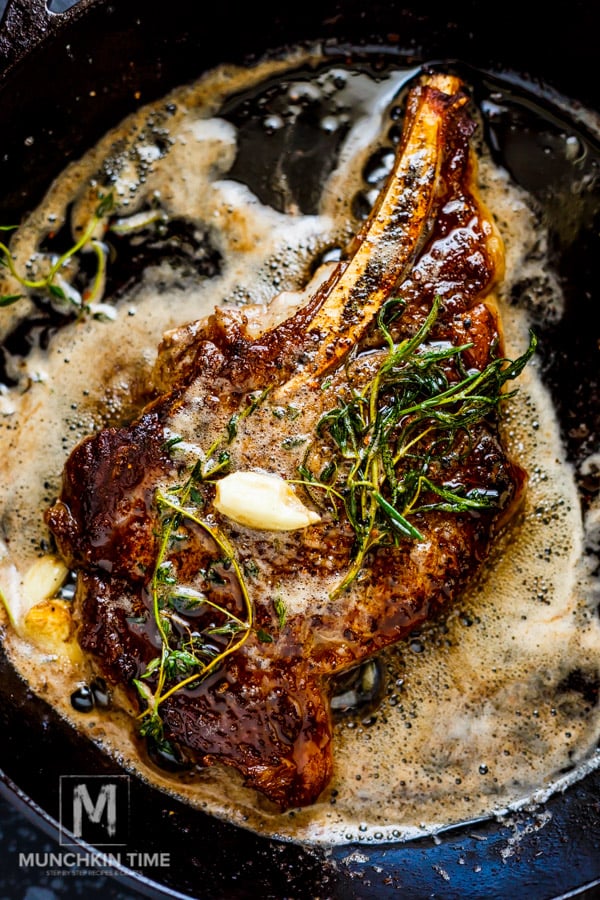
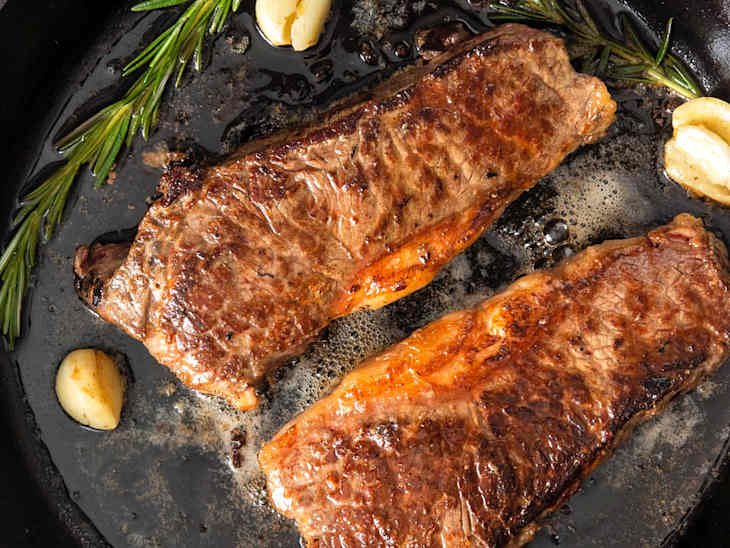
- Butter-baste. Lower heat to medium. Add a knob of butter and aromatics. Tilt the pan and spoon the butter over the steak for 30 to 60 seconds.
- Check temperature. Pull at 120°F for rare, 130°F for medium-rare, 140°F for medium, 150°F for medium-well, 160°F for well.
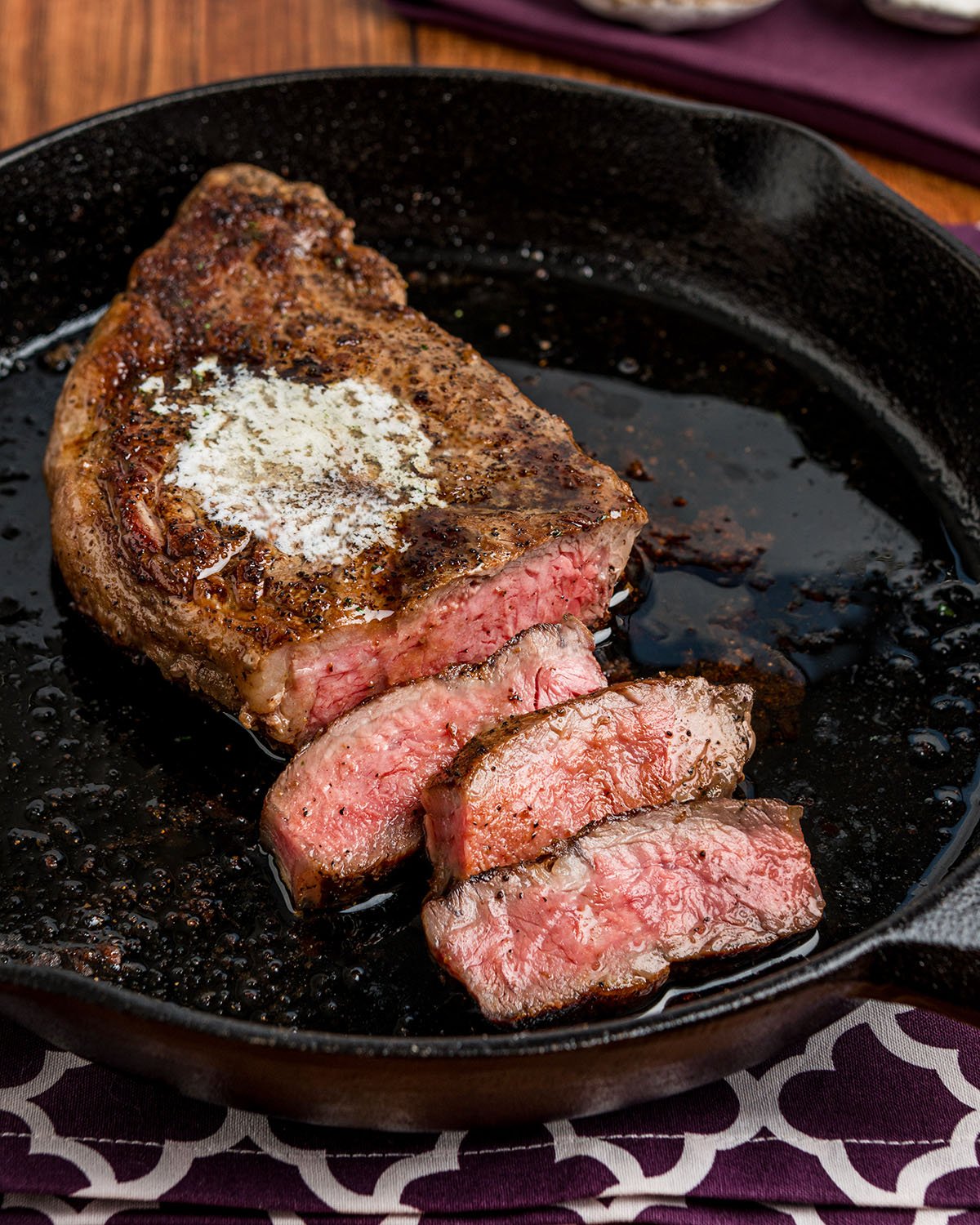
- Rest and slice. Rest 5 to 10 minutes on a rack or board. Slice against the grain.
Follow these steps and you will know how to prepare a steak on the stove with less guesswork. Practice builds feel. The first time is good. The third time is great.

Seasoning, oils, and flavor boosters
Salt early for surface seasoning. For deep seasoning, salt 45 to 60 minutes ahead. This lets salt pull out moisture and then reabsorb it. If time is short, salt right before the pan.
Pepper can burn at very high heat. If your pan runs hot, add pepper after the first flip or after cooking. Use fresh cracked pepper for a bold kick.
Choose a high smoke point oil. Avocado and refined peanut oil are great. They handle heat and keep flavor clean. Add butter near the end for nutty flavor without burning.
Flavor boosters I love
- Garlic cloves, smashed. Add with butter for a gentle aroma.
- Thyme or rosemary sprigs. Woody herbs love hot fat.
- Finishing salt. A pinch of flaky salt after slicing wakes up flavors.
Simple seasoning is a key part of how to prepare a steak on the stove. Let the meat lead, and use butter and herbs to frame it.
Heat management and perfect doneness
High heat builds crust. Control builds doneness. Preheat until the pan is hot enough that oil shimmers. A drop of water should sizzle and vanish.
Aim for these internal temps
- Rare. Pull at 120°F. Bright red center.
- Medium-rare. Pull at 130°F. Warm red-pink center.
- Medium. Pull at 140°F. Pink center.
- Medium-well. Pull at 150°F. Slight pink.
- Well-done. Pull at 160°F. No pink.
Carryover cooking raises temp by 3 to 5°F as the steak rests. Thinner steaks cook fast. Thicker steaks need more time and a gentler finish. If the outside is dark but the center is cold, lower heat and baste. This evens it out.
A thermometer is the most reliable way to learn how to prepare a steak on the stove with accuracy. Over time, your finger test will match your readings.
Common mistakes and how to fix them
I have made all these mistakes. Here is how to dodge them.
- Wet surface. Water steams and blocks crust. Pat dry well.
- Cold pan. A dull pan gives a gray steak. Preheat longer.
- Overcrowding. Two big steaks can drop heat. Cook one at a time or use a larger skillet.
- Flipping too soon. Give it time to release. If it sticks hard, wait 30 more seconds.
- Burning butter. Add butter late and lower the heat.
- Seasoning errors. Too little salt tastes flat. Too much early pepper can burn.
Avoid these and you will nail how to prepare a steak on the stove, even on a busy weeknight.
Make a quick pan sauce
The brown bits in the pan are gold. Use them.
- Remove the steak to rest. Pour off extra fat, but keep 1 tablespoon.
- Add minced shallot. Cook 30 seconds.
- Deglaze with 1/3 cup wine, stock, or water. Scrape the bits.
- Reduce by half. Lower heat.
- Whisk in 1 to 2 tablespoons cold butter. Season to taste.
Easy variations
- Peppercorn sauce. Add crushed peppercorns and a splash of cream.
- Mushroom sauce. Sauté sliced mushrooms before deglazing.
- Dijon pan sauce. Whisk in a spoon of mustard at the end.
A fast pan sauce levels up how to prepare a steak on the stove without much work.

My tested tips and tasty variations
These tips come from years at the stove and many trial runs.
- Pick thickness over size. A 1.25-inch steak gives you time to build crust and hit temp.
- Angle sear the fat cap. Hold the steak on its edge to render beef fat for basting.
- Spoon-baste with care. Keep butter foaming, not smoking.
- Rest on a rack. Airflow keeps the bottom crust crisp.
- Finish with acid. A squeeze of lemon or a dash of vinegar brightens rich bites.
- Try compound butter. Mix butter with herbs, garlic, or blue cheese. Add a slice on top to melt.
- Cook for the crowd. For two steaks, stagger sears. One rests while the other cooks.
These small tweaks help you perfect how to prepare a steak on the stove in your own kitchen.
Food safety, nutrition, and sourcing notes
Food safety first. Guidance for whole cuts says 145°F with a 3-minute rest for safe eating. Many people prefer lower temps for texture. Choose what works for your risk level. Use a thermometer and clean tools.
Smart storage
- Store raw steak in the coldest fridge zone.
- Keep on a tray to catch drips and avoid cross-contamination.
- After cooking, refrigerate within two hours. Eat within 3 to 4 days.
Sourcing tips
- Look for bright, fresh color and tight texture.
- Good marbling adds flavor and tenderness.
- Grass-fed has a leaner profile. Grain-finished is richer and often more tender.
Use high smoke point oils for searing. Avocado or refined peanut oil help avoid scorched flavors. These facts support a safe and tasty plan for how to prepare a steak on the stove at home.
Frequently Asked Questions of how to prepare a steak on the stove
How long should I cook a 1-inch steak on the stove?
In a hot pan, plan about 2 to 3 minutes per side for medium-rare. Always confirm with an instant-read thermometer.
Should I marinate steak for stovetop cooking?
Most tender cuts do not need a marinade. Use salt and a quick butter-baste instead, and save marinades for tougher cuts.
Can I use olive oil to sear steak?
Light or refined olive oil can work, but it has a lower smoke point than avocado or canola. If you use it, keep heat a bit lower and finish with butter.
Do I need to rest the steak after cooking?
Yes. Rest 5 to 10 minutes so juices settle back into the meat. This keeps the steak moist and tender.
What is the best pan for stovetop steak?
A heavy cast iron or thick stainless steel pan holds heat well and builds a great crust. Nonstick pans run cooler and are not ideal for hard sears.
When should I season with pepper?
Add pepper after the first flip or at the end to avoid burning. Fresh cracked pepper gives the best aroma.
How do I know when to flip the steak?
Flip when the first side releases easily and has a deep brown crust. If it sticks, wait a little longer.
Conclusion
Cooking a great steak on the stove is a simple craft. Dry the meat, heat the pan, sear hard, baste, rest, and slice. With practice and a thermometer, you will learn how to prepare a steak on the stove with total control and calm. Try it this week, take notes, and tweak one variable at a time.
Ready for more? Save this guide, share it with a friend, and leave a comment with your favorite cut or pan sauce combo.