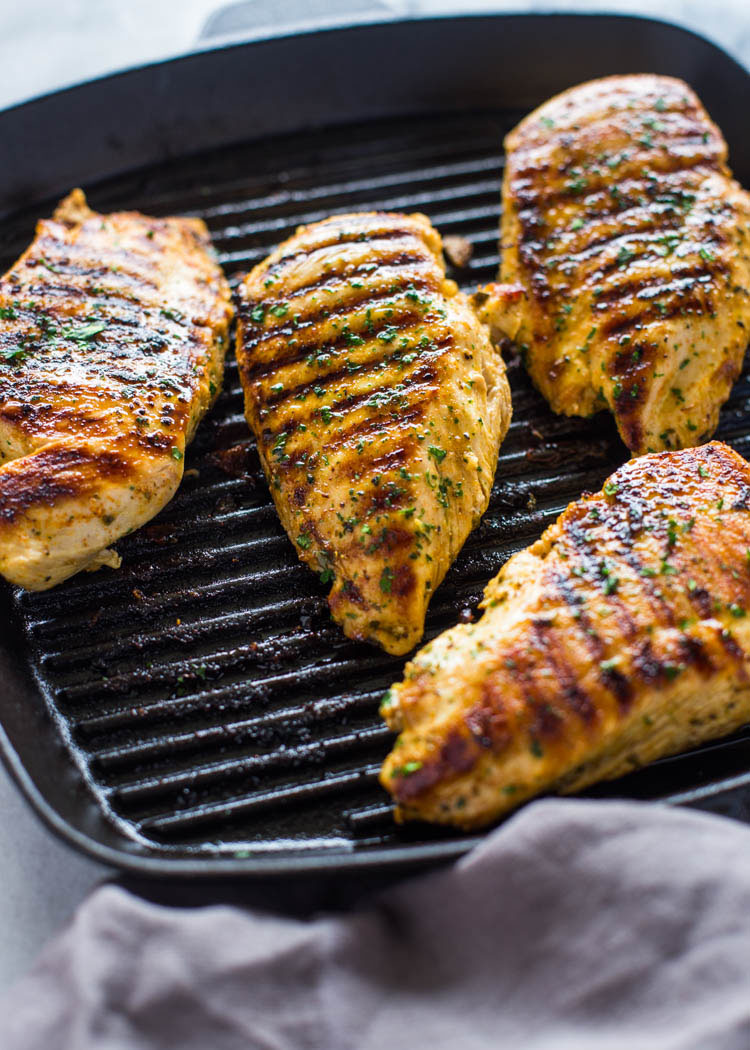
Grill juicy, charred chicken on your stove with a hot pan, simple seasoning, and steady heat.
I have cooked on stovetops for years and I teach home cooks how to grill chicken on stove with clear steps and safety tips. This guide walks you through tools, prep, timing, and finishing so your stovetop chicken is moist, well-seared, and safe to eat. Read on for tested techniques, personal tips, and common mistakes to avoid when you want to grill chicken on stove tonight.

Why stovetop grilling works and when to use it
Stovetop grilling lets you get the char and sear of an outdoor grill indoors. A heavy pan or grill pan creates direct, high heat. That heat browns the chicken surface quickly. Browning locks in flavor and adds texture.
Stovetop grilling works well when the weather is bad, you have no outdoor grill, or you need quick weeknight meals. You can grill breasts, thighs, drumsticks, or skewers. Learning how to grill chicken on stove is useful for many recipes and cuisines.
Tools and ingredients you'll need
Use simple, common tools. They make the process repeatable and safe.
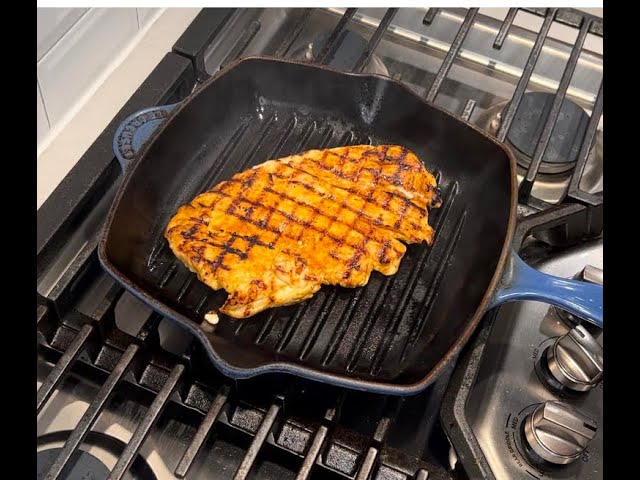
- Heavy skillet or cast iron grill pan for even heat and good sear.
- Tongs and a meat thermometer for safe handling and accurate cooking.
- Paper towels and a wire rack or plate to rest the chicken.
- Neutral oil with a high smoke point, like canola or avocado oil.
- Salt, pepper, and basic aromatics or a favorite marinade.
Quality chicken and simple seasoning matter more than fancy gadgets. I favor bone-in, skin-on thighs for pan grilling since they stay moist and tolerate high heat. For fast meals, thin-cut breasts or pounded breasts work well.
Step-by-step: how to grill chicken on stove
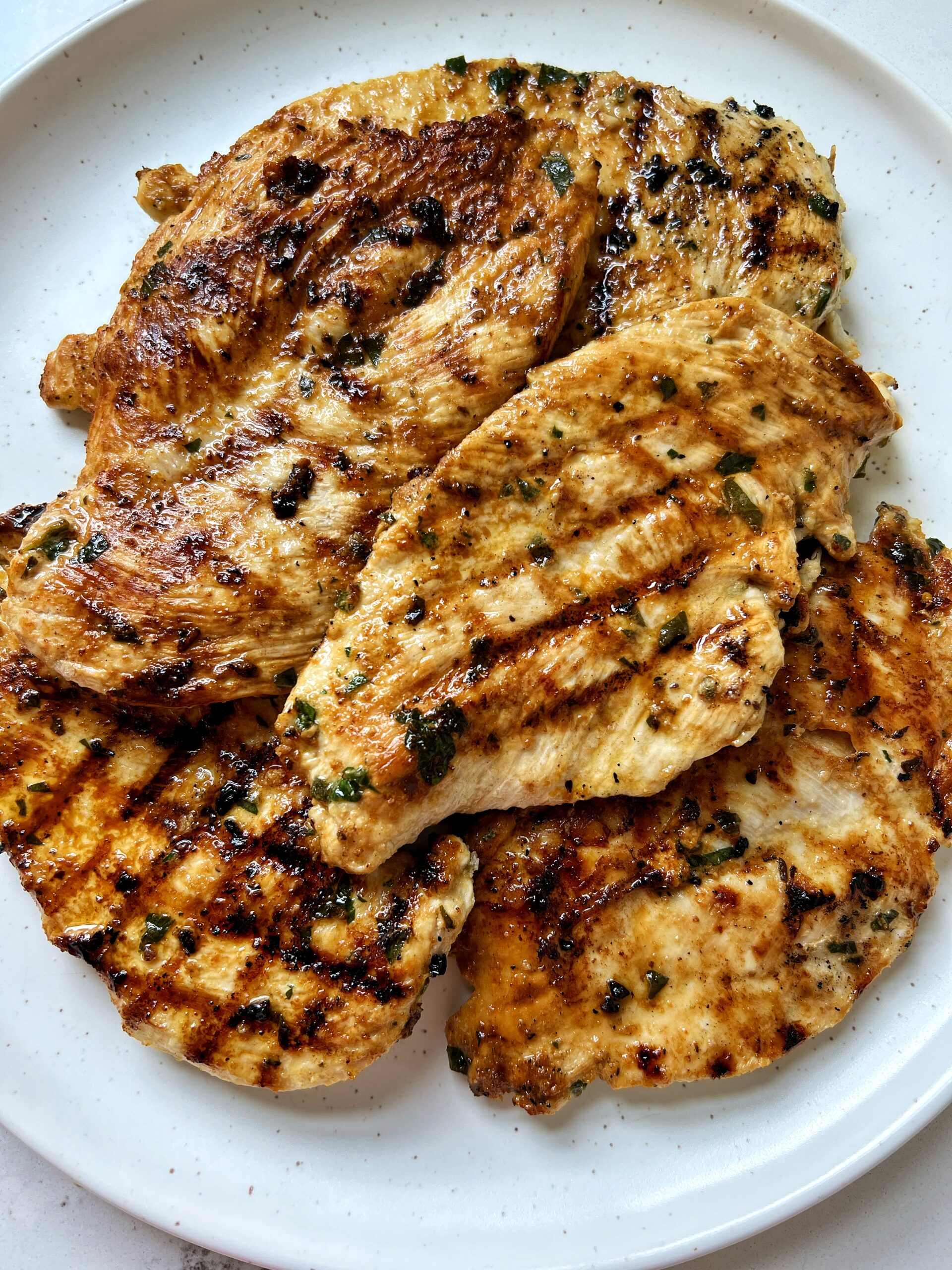
Below is a reliable, repeatable method I use in my kitchen. It works for breasts and thighs. I include timing ranges for guidance.
- Prep the chicken
- Pat chicken dry with paper towels. Dry skin sears better.
- Season generously with salt and pepper. Add garlic powder or paprika if you like.
- If using a marinade, pat the chicken dry after marinating to help the surface brown.
- Heat the pan
- Place a heavy pan on medium-high heat for 3 to 5 minutes. The pan should be very hot.
- Add 1 to 2 tablespoons oil and swirl. The oil should shimmer but not smoke heavily.
- Sear the chicken
- Place chicken skin-side down or presentation side down. Do not overcrowd the pan.
- Press lightly for full contact. Let it cook undisturbed until deeply browned and releases from the pan, about 5 to 8 minutes for thighs and 3 to 5 minutes for thin breasts.
- Flip and finish
- Flip and reduce heat to medium. Cook until an instant-read thermometer reads 160°F for breasts and 175°F for thighs. This usually takes 4 to 10 minutes depending on thickness.
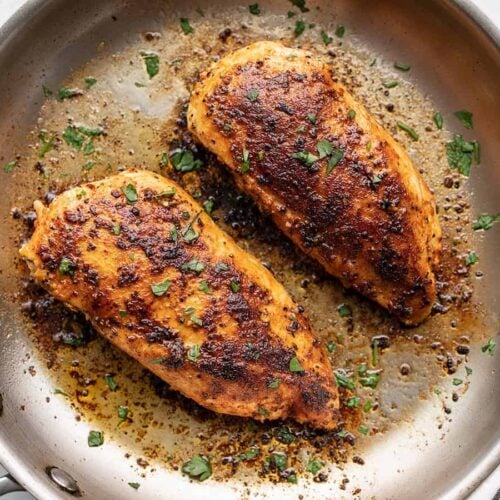
- For extra flavor, add a knob of butter, smashed garlic, and fresh herbs for the last 1 to 2 minutes and spoon the juices over the chicken.
- Rest before serving
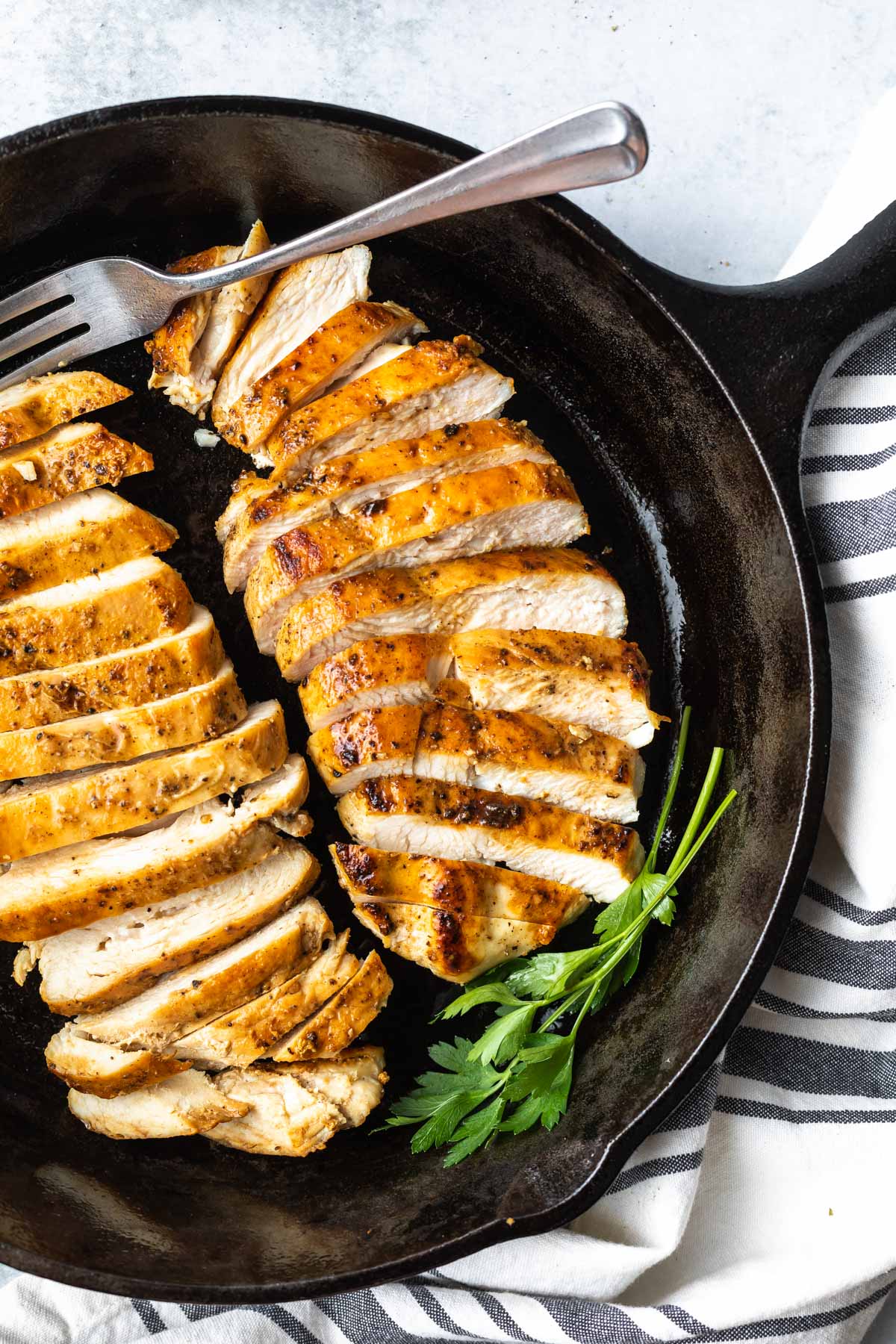
- Move the chicken to a plate or rack and let rest 5 to 10 minutes. Resting completes cooking and keeps juices inside.
- Check final internal temperature: 165°F safe minimum for chicken breast, thighs can be cooked to 175°F for tenderness.
How to grill chicken on stove comes down to managing heat, timing, and rest. Use a thermometer and trust the feel of the meat. Do not skip the rest; it makes a big difference.
Variations and specific cuts
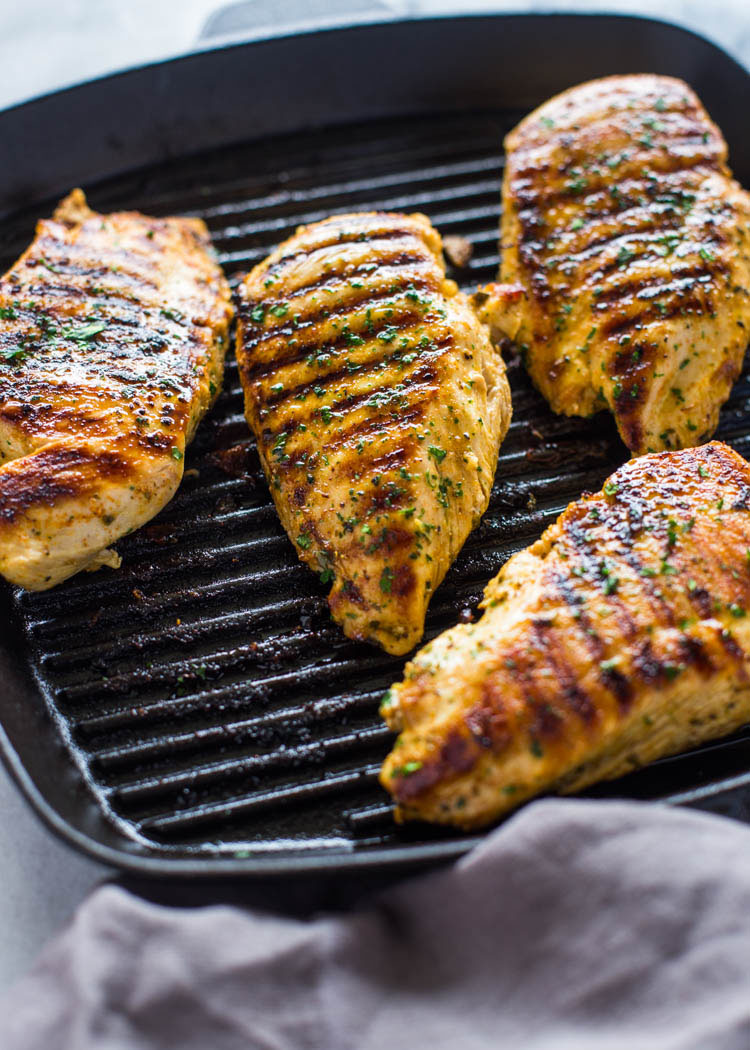
Different cuts need slight tweaks. I share what works best based on my tests.
- Skin-on bone-in thighs
- Best for stovetop grilling. Sear skin until deep brown. Finish covered over medium heat if thick.
- Boneless breasts
- Pound to even thickness for quick, even cooking. Cook slightly faster to avoid dryness.
- Drumsticks and wings
- Sear and then cook on lower heat. Finish covered or in a 350°F oven for even cooking.
- Skewers
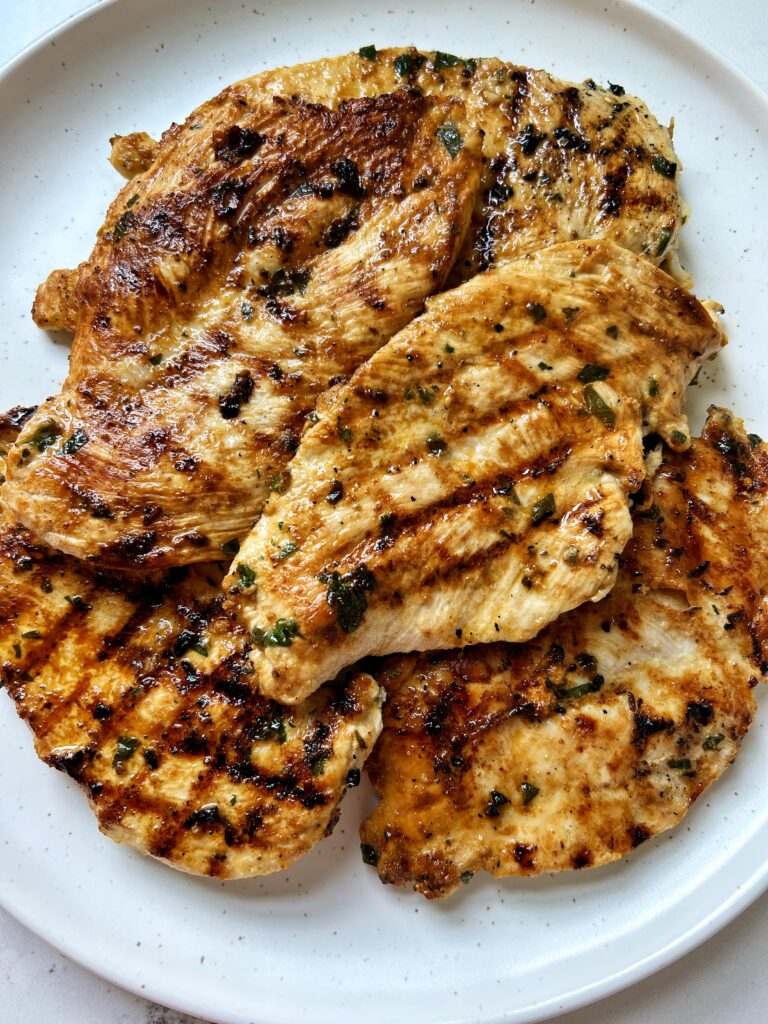
- Cut pieces evenly. Sear in a hot pan and rotate quickly. Use a grill pan with ridges for marks.
How to grill chicken on stove is flexible. Match cooking time to cut and thickness.
Tips for flavor, texture, and safety
Small changes improve results. These are habits I rely on.
- Dry the chicken well to get a crisp crust.
- Use oil with high smoke point to avoid bitter flavors.
- Preheat the pan thoroughly before adding chicken.
- Avoid moving the chicken too soon; it needs time to form a crust.
- Use an instant-read thermometer to confirm doneness.
- Let chicken rest to keep it juicy.
Food safety matters. Thaw chicken fully in the fridge. Wash hands and sanitize surfaces after handling raw chicken. Follow safe internal temperatures and avoid cross-contamination.
Common mistakes and how to avoid them
Learn from mistakes I made early on. Avoid these pitfalls.
- Mistake: Crowding the pan. Result: steamed, pale chicken. Fix: Cook in batches.
- Mistake: Too-low heat. Result: no sear and greasy texture. Fix: Get pan hot before adding chicken.
- Mistake: Overcooking breasts. Result: dry meat. Fix: pound breasts thin or use a thermometer.
- Mistake: Skipping rest. Result: juices run out when cut. Fix: rest 5–10 minutes.
If you make a misstep, adjust heat and timing next time. Practice builds intuition about how to grill chicken on stove.
Personal notes and real-life tips
I once ruined a weekday dinner by crowding the pan. The chicken became soggy. I now cook in two pans or batches. I also learned to trust a thermometer over cooking times. My favorite quick trick is to finish with butter, lemon, and parsley. It lifts the flavor and looks like you fussed more than you did.
When I test recipes, I mark notes on timing for each pan and burner. Your stovetop may be stronger or weaker. Make small adjustments and write them down.
Frequently Asked Questions of how to grill chicken on stove
How long does it take to grill chicken on stove?
Cooking time varies by cut. Thin breasts take 6 to 10 minutes total; bone-in thighs take 15 to 25 minutes. Use a thermometer for accuracy.
Can I grill frozen chicken on stove?
No. Fully thaw chicken before cooking for even heat transfer and safety. Thaw in the fridge overnight.
What pan is best for stovetop grilling?
A heavy cast iron or a ridged grill pan gives the best sear. Nonstick pans can work for delicate pieces but won’t brown as well.
How do I keep chicken from sticking to the pan?
Make sure the pan is hot and use enough oil. Let the chicken release naturally before flipping.
Is it safe to cook chicken to 160°F then rest?
Yes. For safety, the USDA recommends 165°F as the safe minimum for immediate consumption, but meat can rise a few degrees while resting. Use a reliable thermometer.
Can I use marinades on stove-grilled chicken?
Yes. Pat the surface dry after marinating to encourage browning. Sugary marinades should be used carefully to avoid burning.
Conclusion
Grilling chicken on stove is a fast, reliable way to get crisp, flavorful meat without an outdoor grill. Focus on a hot pan, dry chicken, correct timing, and resting. Use a thermometer and avoid overcrowding to get consistent results. Try the steps above tonight, start simple, and adjust for your stove. Share your results or questions below and subscribe for more practical kitchen tips.