Mix hot water with jowar flour, knead, pat into discs, cook, and puff.
If you want to learn how to make jowar roti that stays soft, puffs well, and tastes earthy, you are in the right place. I have made this daily staple in home kitchens across Maharashtra and Karnataka. In this guide, I will show you how to make jowar roti with simple steps, clear tips, and fixes that work every time.
What is jowar roti?
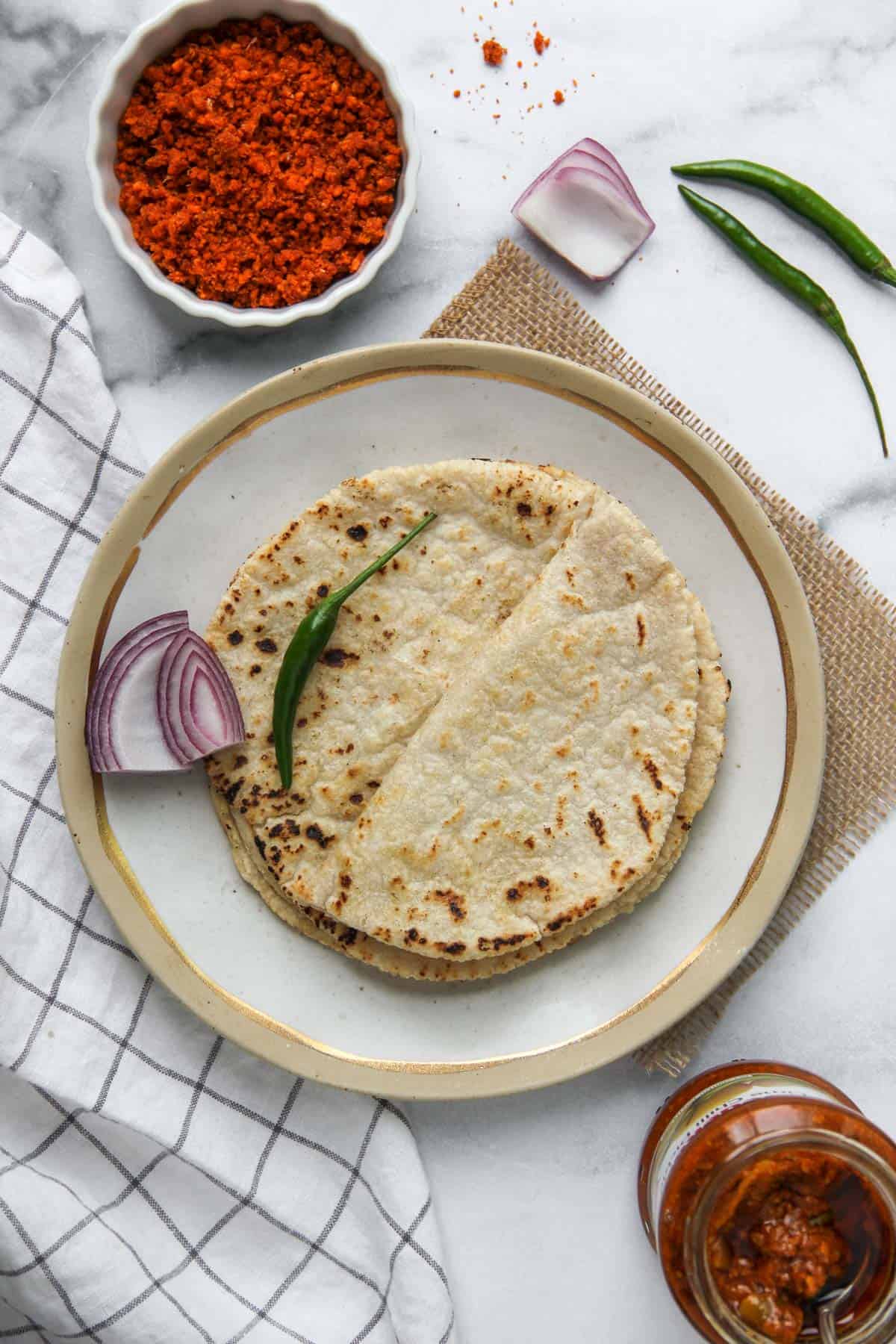
Jowar roti is a flatbread made with sorghum flour. It is gluten-free and rich in fiber. It is also known as bhakri or jolada rotti in many regions.
You do not need yeast, oil, or fancy tools. Fresh flour and hot water are the key. If you ask how to make jowar roti that is soft, the answer starts with heat and practice.

Ingredients and tools you need
- Jowar (sorghum) flour Use fresh, finely ground flour for best results.
- Hot water Use just-boiled water that has cooled for 30–60 seconds.
- Salt Optional, but it boosts flavor.
- Tawa or cast-iron pan A heavy pan gives even heat.
- Small bowl of water For wetting hands while patting.
- Cloth or silicone spatula For pressing on the pan if you prefer.
- Optional rice flour For dusting only if needed.
My base ratio is 1 cup jowar flour to 3/4 to 1 cup hot water. If you want to master how to make jowar roti, measure once, then adjust by feel.
Step-by-step: how to make jowar roti at home
-
Heat the water
Bring water to a boil. Turn off the heat. Let it stand 30–60 seconds. This is vital for how to make jowar roti that does not crack. -
Mix the dough
Add 1 cup jowar flour and a pinch of salt to a bowl. Pour in 3/4 cup hot water. Stir with a spoon until shaggy. -
Knead while warm
When warm, knead with clean, slightly wet hands for 3–4 minutes. Add a spoon of hot water if dry. The dough should feel soft and smooth, not sticky. -
Rest the dough
Cover and rest 10 minutes. This helps the flour hydrate. It also makes patting easy. -
Divide
Pinch balls the size of a small lemon. Keep them covered so they do not dry out. -
Shape by patting
Dust the counter very lightly if needed. Wet your hands. Gently pat the ball out from the center. Turn and pat to 5–6 inches wide. Fix edge cracks by pinching and smoothing. -
Heat the pan
Place a tawa on medium-high heat. It should be hot but not smoking. -
Cook side one
Lift the roti on your palm. Place it on the tawa. After 30–40 seconds, when you see small bubbles, flip. -
Cook side two and press
Cook the second side for 30–45 seconds. Lightly press with a cloth or spatula to help it puff. -
Optional puff on open flame
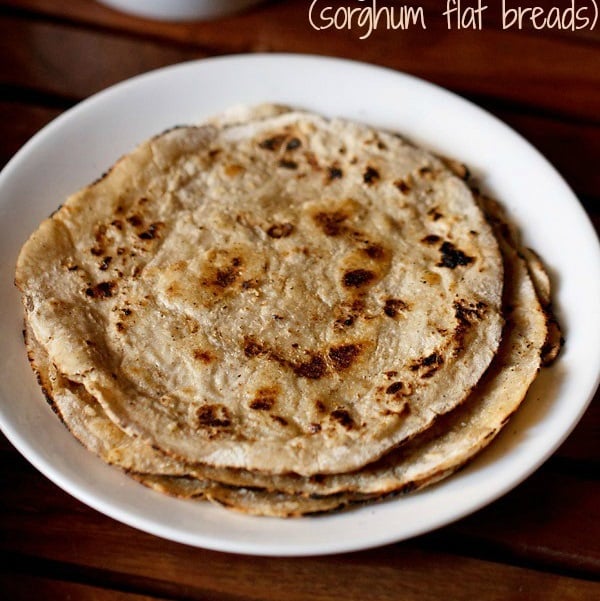
If you have a gas flame, flip the roti onto the flame for 3–5 seconds. It should balloon. For electric stoves, keep pressing on the tawa to puff. -
Keep warm
Place in a cloth-lined container. Brush with a drop of ghee if you like.
Repeat with the rest. If you still wonder how to make jowar roti that stays soft, keep the dough warm, the pan hot, and your hands slightly wet.

Techniques that make all the difference
- Use hot water, not cold Hot water gelatinizes the starch. This gives stretch to a gluten-free flour.
- Knead while warm A warm, smooth dough is key for how to make jowar roti that does not crack.
- Wet hands, not a lot of dry flour Too much dry flour makes edges split.
- Press the edges while shaping Pinch and smooth cracks at once.
- Control heat Medium-high is ideal. Too low dries rotis. Too high burns spots.
From my kitchen: I timed my rests. A 10-minute rest was the sweet spot. Shorter led to cracks. Longer made the dough sticky.

Troubleshooting and fixes
-
Dough cracks while patting
Add 1–2 teaspoons hot water and knead. Rest 5 minutes. -
Rotis break when lifting
They are too thin or too dry. Keep them a bit thicker and use damp hands. -
No puff
Pan may be cold. Heat it more. Also press gently in circles as it cooks. -
Dry, hard rotis
Overcooked or too little water. Splash water, re-knead a bit next time, and shorten cook time. -
Sticks to pan
Pan not seasoned or too cool. Heat the pan well. Wipe with a tiny bit of oil, then wipe it off.
Mastering how to make jowar roti means fixing small things fast. One tweak can turn a flat roti into a puffy one.

Variations and serving ideas
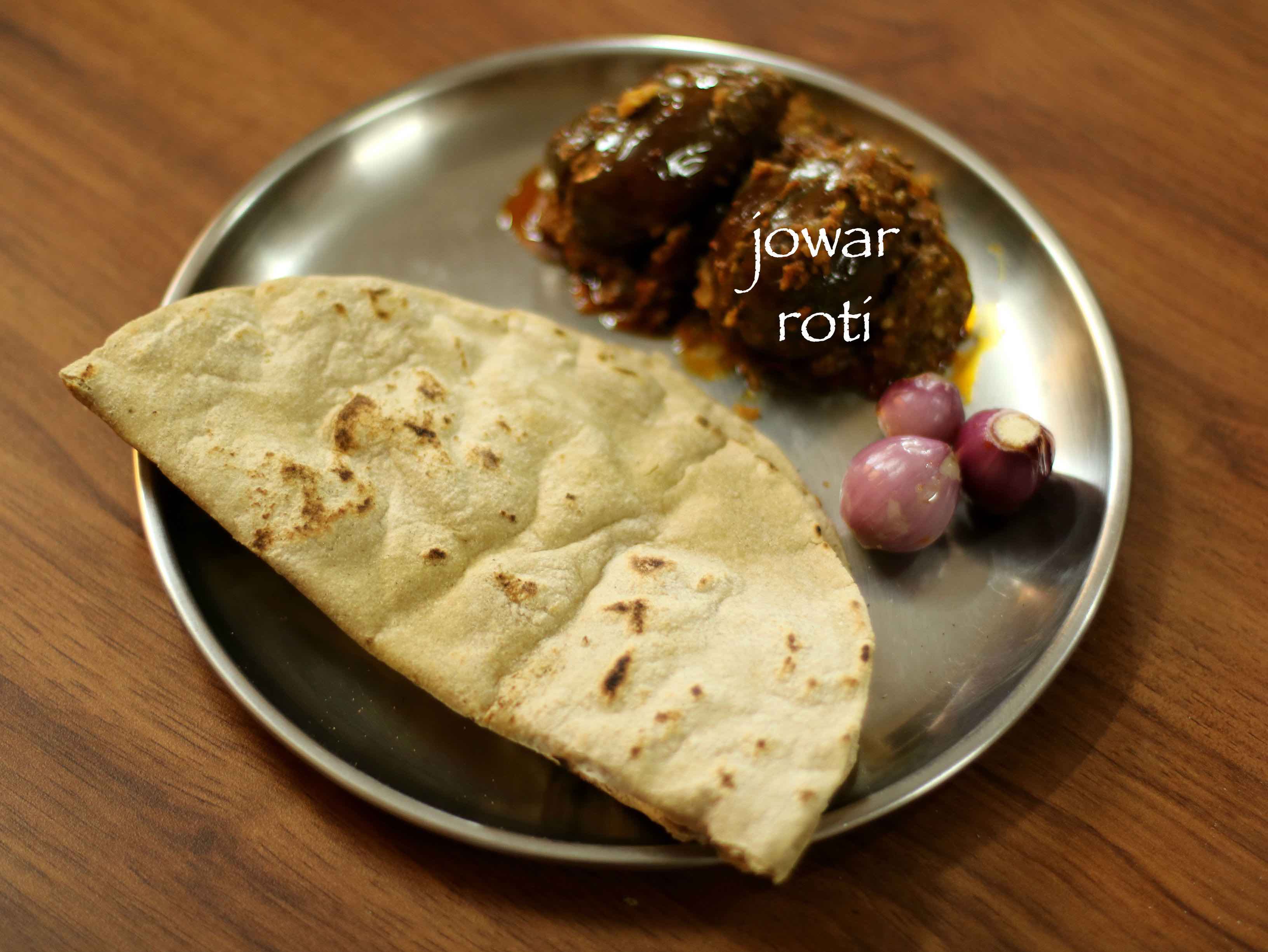
- Classic Maharashtrian style Serve with pithla, the gram-flour curry, and raw onion.
- North Karnataka style Enjoy with ennegai (stuffed brinjal) and chutney pudi.
- Mixed millets Add 1–2 tablespoons ragi or bajra flour for a deeper taste.
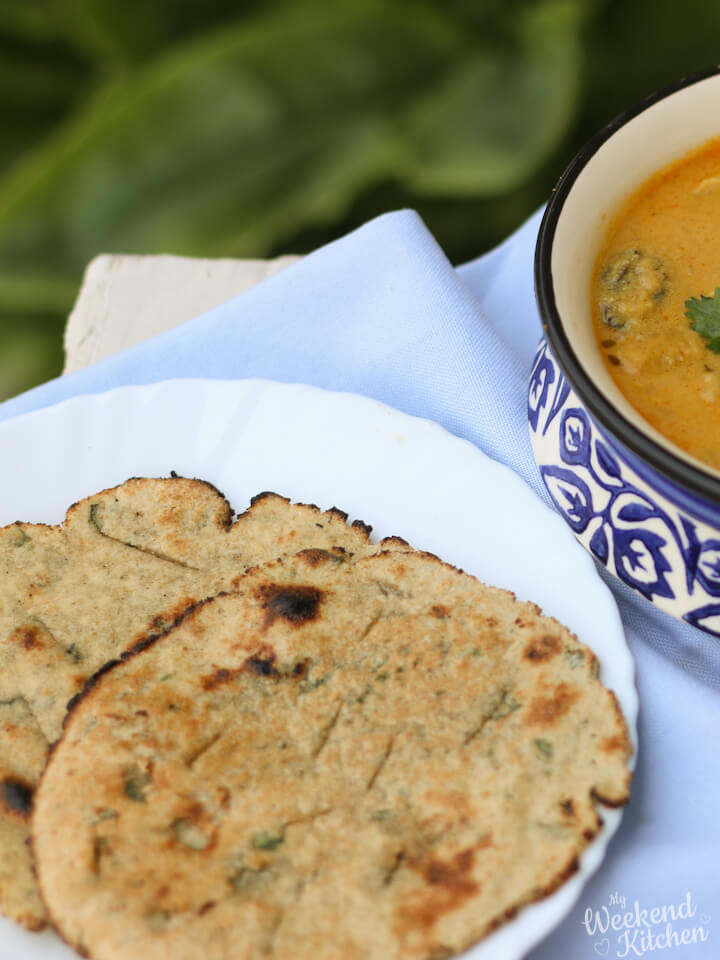
- Herbed roti Add chopped cilantro, green chili, and cumin seeds to the dough.
- Stuffed jowar roti Add mashed spiced potato or paneer between two thin discs. Seal and cook.
If you search how to make jowar roti for family meals, try a small ghee brush and warm dal on the side. It turns a simple roti into comfort food.
Nutrition, benefits, and who should eat it
Jowar is a whole grain. It is gluten-free and high in fiber. It has about 10–11 grams protein per 100 grams of flour and a good amount of iron and B vitamins.
Research notes that sorghum has polyphenols and some resistant starch. This may support slow energy release. If you want to learn how to make jowar roti for better digestion, this grain is a strong choice.
People with celiac disease or gluten sensitivity can eat it. Always check for cross-contact at the mill if strict gluten-free is needed.

Storage, reheating, and meal prep
- Short storage Keep cooked rotis in a cloth-lined box for 6–8 hours.
- Refrigerate Layer rotis with parchment in an airtight box for 24–48 hours.
- Freeze Stack with parchment and freeze up to 1 month. Thaw on the counter.
- Reheat Sprinkle a few drops of water and warm on a hot tawa for 20–30 seconds each side.
If you plan weekly meals and wonder how to make jowar roti ahead, half-cook them on side one, cool, and finish cooking fresh.
Common mistakes to avoid
- Using cold water It will not bind well and the rotis will crack.
- Skipping the rest The dough needs time to hydrate.
- Over-dusting with flour It dries the dough.
- Overcooking Dry heat makes leather-like rotis.
- Thin edges and thick center Pat from center out so the disc is even.
When learning how to make jowar roti, I made all these mistakes. A timer, a hot pan, and wet palms fixed most of them.
Pro tips from my kitchen
- Warm bowl trick Add hot water to your mixing bowl, then discard before adding flour. A warm bowl keeps dough supple.
- Towel press Use a damp, clean cloth to press while cooking. It helps even puffing.
- Test roti First roti is your heat test. Adjust flame from there.
- Fresh flour Buy small batches. Old flour dries fast.
- Hand feel Learn the dough feel. Soft, warm, and smooth is your target.
These small habits turn a beginner’s how to make jowar roti attempt into a confident routine.
Frequently Asked Questions of how to make jowar roti
Why do my jowar rotis crack at the edges?
The dough is dry or the water was not hot enough. Add a little hot water, knead again, and rest for 10 minutes.
Can I roll jowar roti with a rolling pin?
Yes, but patting by hand gives better control. If using a pin, place the dough between two sheets of parchment.
How do I make jowar roti without a gas flame?
Cook fully on a hot tawa and press gently in circles with a cloth or spatula. This helps it puff even on electric stoves.
How to make jowar roti soft for longer?
Keep rotis in a cloth-lined container and brush with a drop of ghee. Do not overcook; remove as soon as brown spots appear.
Which flour is best for jowar roti?
Use fresh, finely milled jowar flour. If you need certified gluten-free, check that the mill avoids cross-contact.
Can I add other flours to jowar roti?
You can add a little rice or millet flour for taste, but it may change softness. Pure jowar gives the classic texture.
Is jowar roti good for people with diabetes?
Jowar has fiber and can have a lower glycemic impact than some refined grains. Pair with protein and vegetables for a balanced meal.
Conclusion
You now know how to make jowar roti with hot water, a warm dough, and steady heat. Keep your hands damp, your pan hot, and your dough soft. Fix small cracks early, and press gently to help puff.
Start with one cup of flour today and practice the patting method. Soon, you will make soft, round rotis on autopilot. If this guide helped, share it, subscribe for more step-by-step recipes, and drop your questions or wins in the comments.